Among the hardest sentences in orthodontics is this one: braces alone cannot fully fix this bite. It belongs to cases where the problem lives in the jawbones, not just the teeth, and knowing how clinics find that border helps patients hear the sentence without panic. Seoul Top Dental Hospital in Seocho, Seoul explains.
Dental problem or skeletal problem
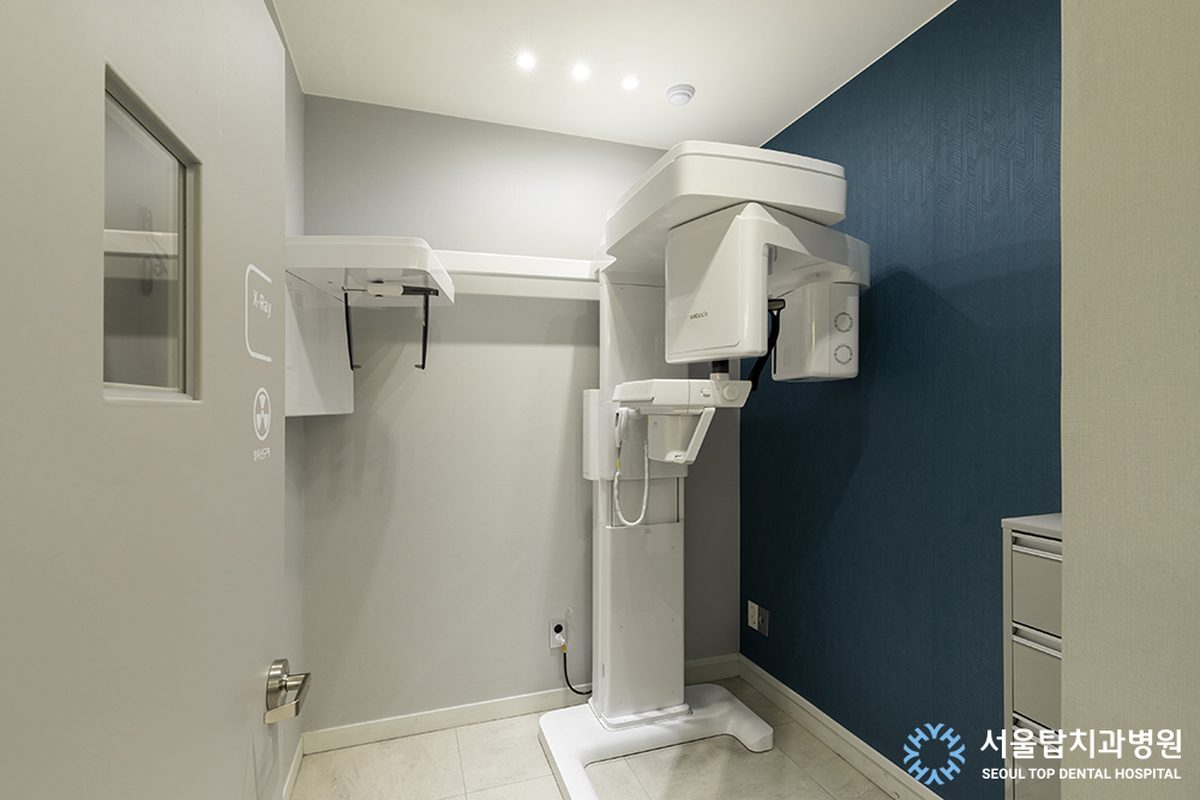
Teeth can be moved within their bone a limited distance. When a protruding or receding profile comes from tooth angles, orthodontics corrects it fully. When the upper and lower jaws themselves are mismatched in length or position, beyond a certain degree, moving teeth can only camouflage: tilting them to meet while the skeletal gap remains. Cephalometric X-ray analysis measures the jaw relationship in degrees and millimeters, which turns the question from opinion into measurement.
What camouflage can and cannot do
Camouflage orthodontics is legitimate and common for mild to moderate skeletal discrepancies: it trades perfect skeletal harmony for avoiding surgery, and for many faces that trade reads well. Its limits are facial profile, stability, and sometimes gum health when teeth are tilted far from their bone’s comfort zone. Severe discrepancies, open bites that collapse camouflage repeatedly, and functional problems like chewing inefficiency or sleep-breathing issues shift the equation toward combined surgical-orthodontic treatment.
If surgery enters the plan
Surgical orthodontics runs as a partnership: braces align the arches first, the surgeon repositions the jaw or jaws, then orthodontics details the final bite. Timelines run longer and planning involves both specialties from the start, which is why border cases deserve clinics where that conversation happens in one building.
Seoul Top Dental Hospital in Seocho analyzes borderline cases with cephalometric measurement and presents both paths with their real trade-offs, including for international patients. Ask to see your numbers; the border is drawn in millimeters, not in sales talk.