Fold a photo of your face down the middle and check where the gap between your front teeth lands. A dental midline shifted from the facial center is one of the most noticed details in smiles, by patients if not by friends. Seoul Top Dental Hospital in Seocho explains what shifts it and what correction involves.
Why midlines drift
Asymmetric tooth loss or early baby-tooth loss lets neighbors slide sideways. One-sided crowding or a missing lateral incisor pulls the center toward the gap. Crossbites with a functional jaw shift move the lower midline with the jaw. And sometimes the upper and lower midlines each tell a different story, which is diagnostic gold: it tells the orthodontist which arch carries the problem.
When it matters and when it does not
Small discrepancies, a millimeter or two, usually read as natural; studies on smile perception back this tolerance. Larger shifts, visible canting, or a midline that announces itself in photos justify correction, as do shifts tied to functional bites. The exam separates a cosmetic preference from a bite problem wearing a cosmetic disguise.

How correction works
Dental shifts respond to asymmetric mechanics: elastics, selective space closure, sometimes mini screws anchoring a one-sided pull. Where a tooth is missing, the plan decides between opening space for an implant or closing it and reshaping. Skeletal asymmetries need combined planning. Midline work is precision orthodontics, which is why it appears late in treatment, after the big movements are done.
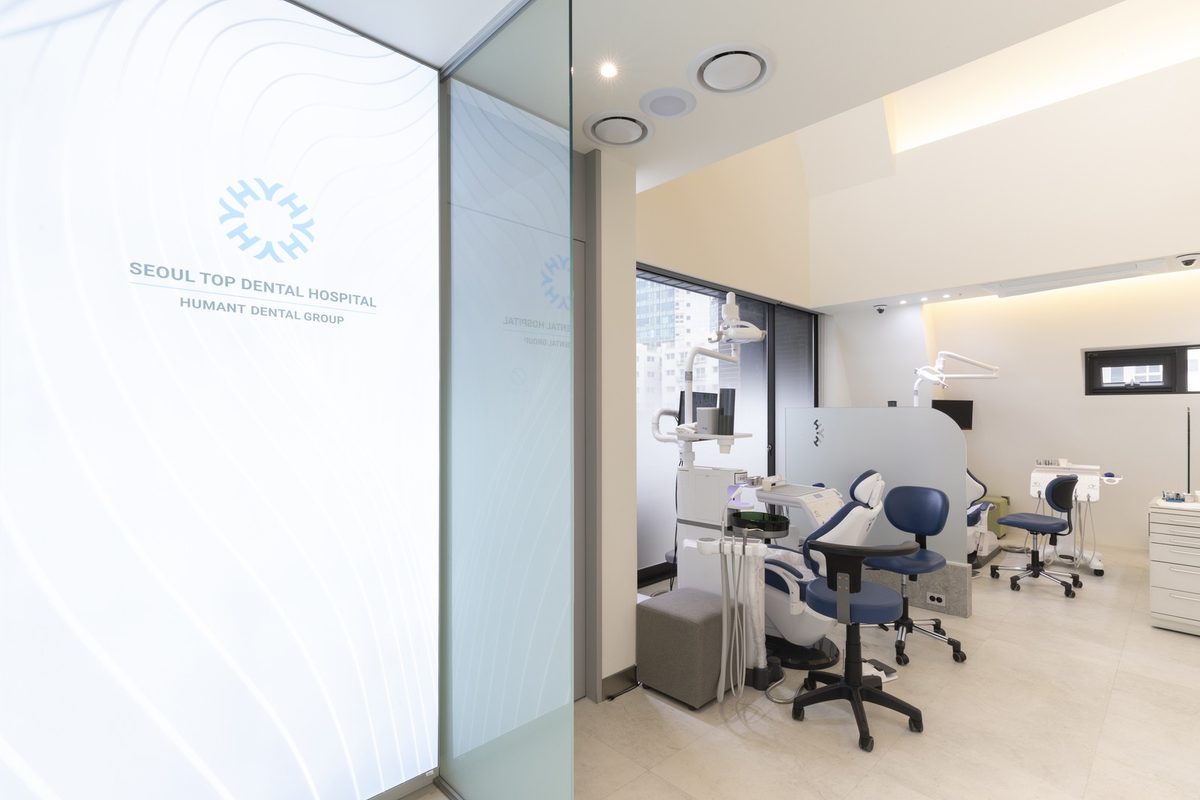
Seoul Top Dental Hospital measures midlines against facial reference lines in its diagnostic photos and plans correction only where it serves you, with schedule coordination for international patients. If your eye catches your own midline daily, measurement beats wondering.