No serious orthodontic treatment starts at the display case of bracket options. It starts with records: a structured diagnostic workup that turns “my teeth look crooked” into a measured problem with a measured solution. Seoul Top Dental Hospital in Seocho explains what happens at a proper orthodontic diagnosis and how to read the plan you receive.
The records: what each one sees
A panoramic X-ray surveys all teeth, roots and jaw joints; a cephalometric side X-ray measures the skeletal relationships behind protrusion and bite depth; intraoral 3D scans replace goopy impressions and feed the digital model; standardized photos document the starting face and smile. Together they answer what moves, how far, and what the face around the teeth is doing.
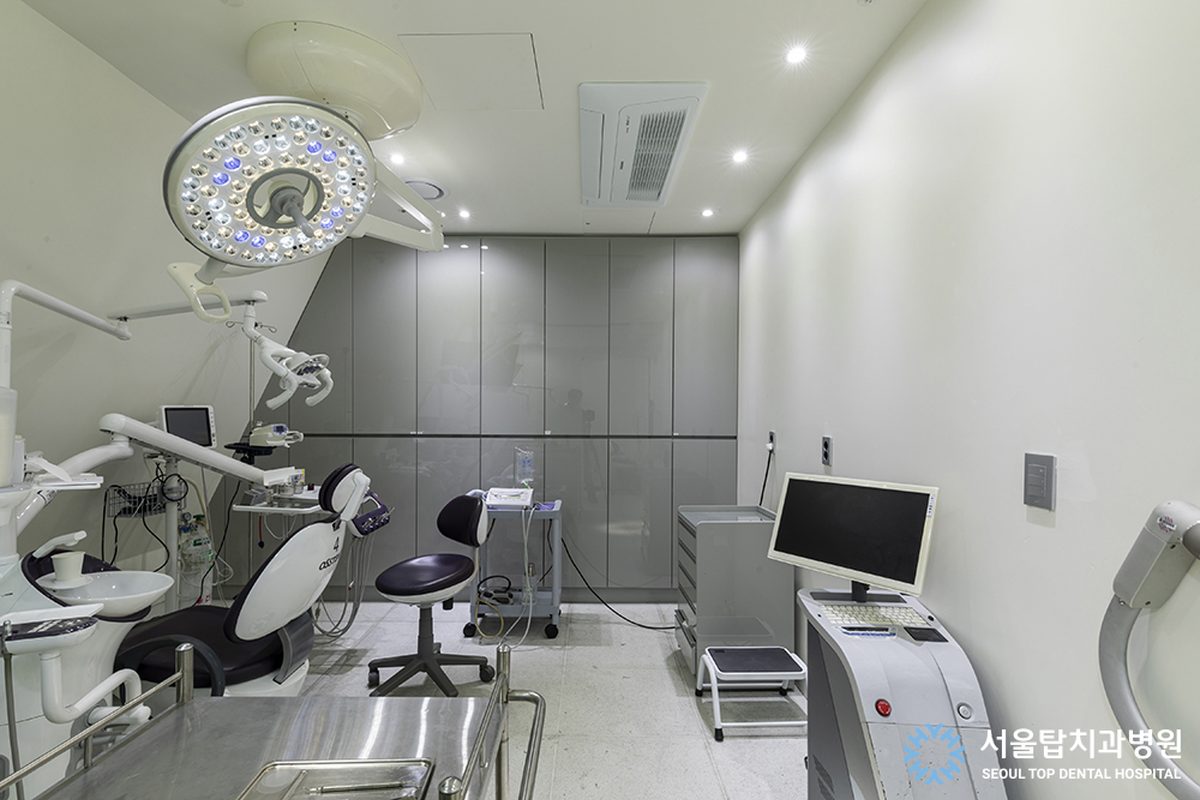
The analysis: from millimeters to plan
Software and the orthodontist measure crowding in millimeters, overjet and overbite, midline shifts and the angles between teeth, jaws and skull base. This is where the extraction/non-extraction question, expansion options and appliance suitability are actually decided, by arithmetic and biology, not preference. A simulation of the planned result is commonly part of the presentation.
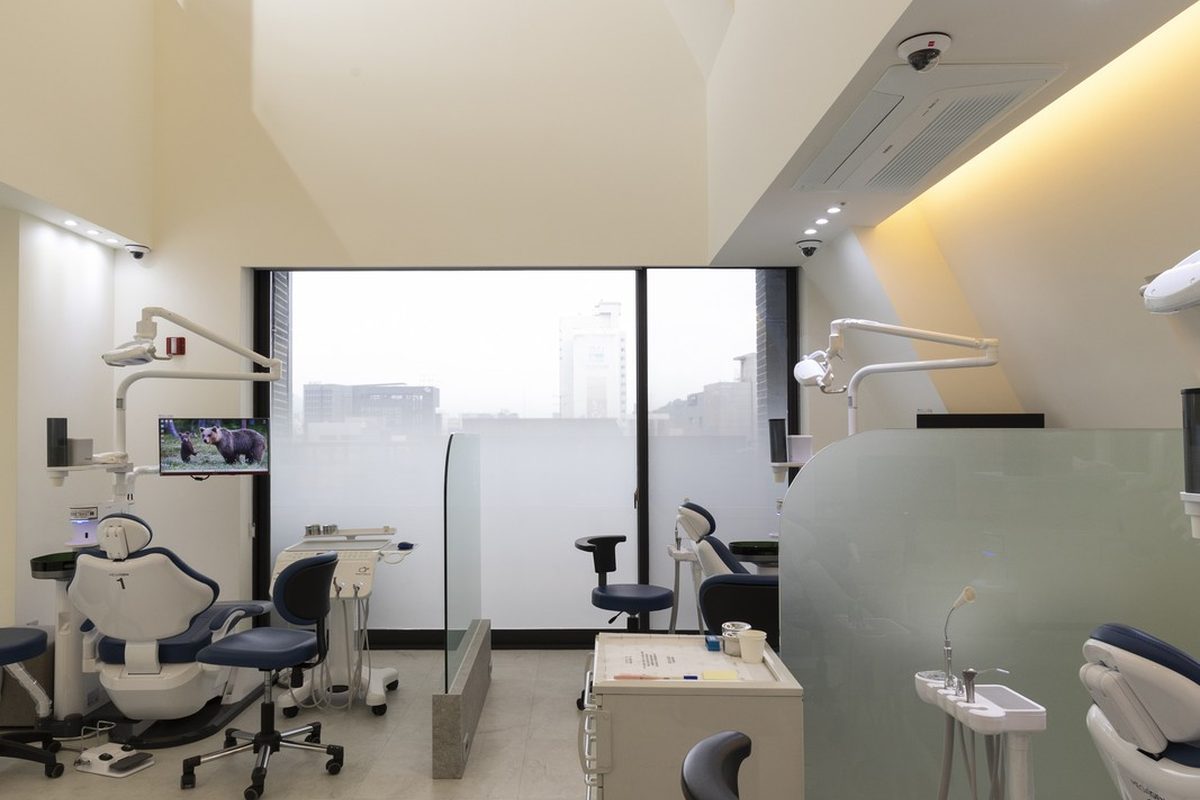
Reading your treatment plan like a pro
A complete plan names the problem list, the appliance and why, estimated duration as a range, visit rhythm, costs with what they include, and the retention plan after. Ask two questions at every consultation: “What happens if we do nothing?” and “What are the alternatives to this plan?” Clinics confident in their diagnosis answer both willingly.
Seoul Top Dental Hospital runs full digital diagnostics in-house and presents plans with simulations, including coordinated scheduling for patients from abroad. Diagnosis fees are small compared to treatment, and they are the part that determines everything after.