Implant treatment spans months, but the parts requiring your physical presence compress remarkably well. With planning, most international cases fit into two visits to Seoul, sometimes one for selected same-day protocols. Seoul Top Dental Hospital in Seocho, which structures treatment for flying patients weekly, explains the realistic travel map.
Before you fly: the remote phase
Much of implant planning happens before any flight: sending panoramic X-rays or CT data from home, messenger consultation about options and budget, and a provisional plan with visit lengths. Patients without local imaging can schedule CT for arrival day. The goal of the remote phase is simple: the surgery visit should confirm the plan, not discover it.
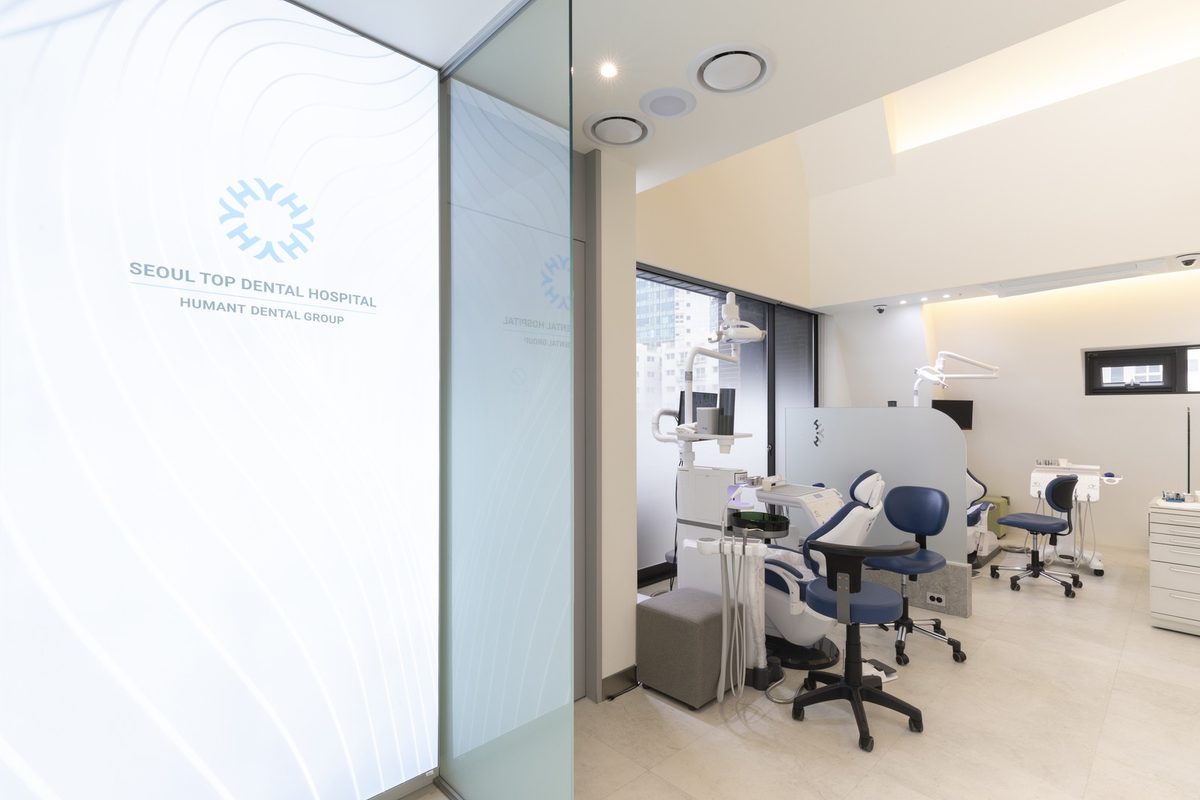
Visit one: surgery week
A typical surgical visit runs 3-7 days: CT confirmation and final consultation on day one, placement surgery on day two, then a healing check and suture care before departure. Bone grafting or multiple implants may stretch the window slightly, and immediate-placement cases pair extraction and fixture in one session. You fly home with written aftercare, medications and a messenger line for recovery questions. Osseointegration proceeds on its own schedule wherever you are.
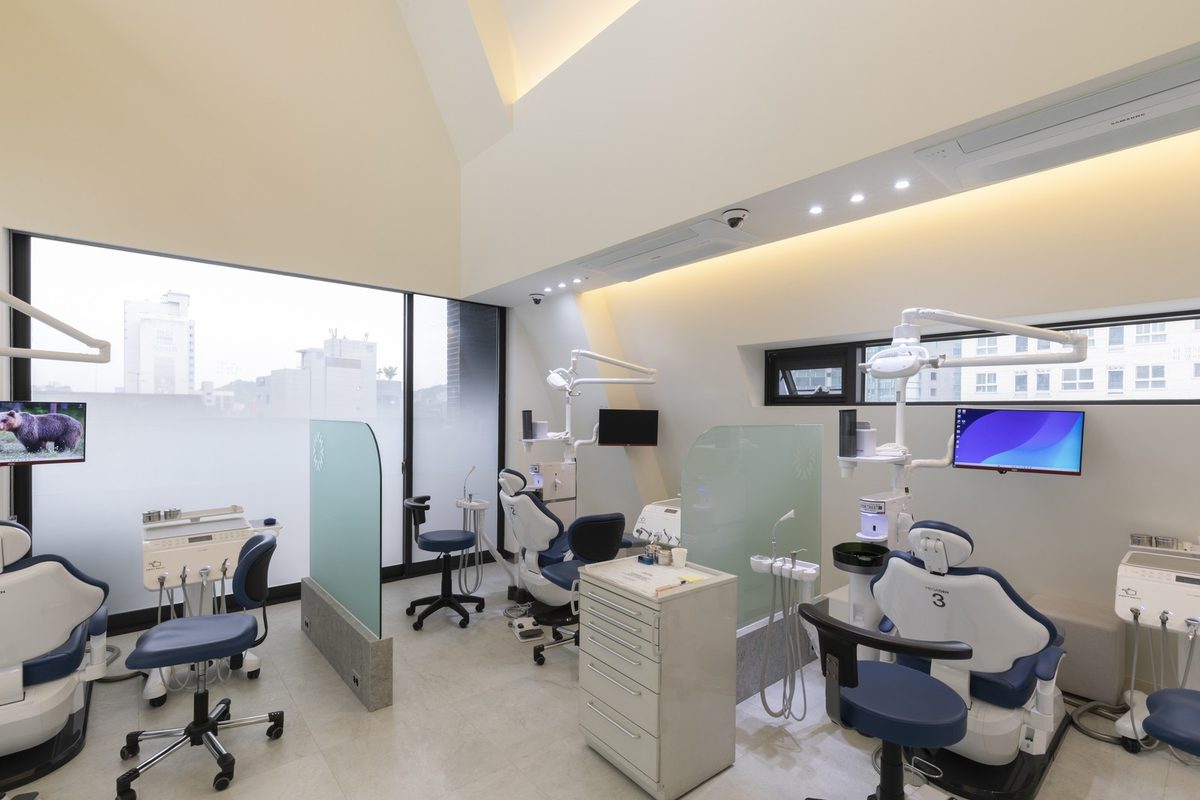
Visit two: the crown week, and the alternatives
After 2-6 months of integration (verified remotely where imaging allows), the prosthetic visit runs 4-7 days: stability testing, digital impressions, crown fabrication with an in-house or express lab, fitting and bite adjustment. Patients who cannot return twice discuss alternatives honestly at the start: local crown fabrication at home in coordinated cases, or longer single stays for same-day-loading protocols where candidacy allows.
Seoul Top Dental Hospital builds written two-visit itineraries with your flight constraints in the plan, including remote review between visits. Send your X-ray before booking anything. The itinerary that comes back is the real consultation.