One of the most common findings at implant consultations is insufficient bone: the jawbone has shrunk after years without a tooth, gum disease or trauma. A bone graft rebuilds that foundation so the implant can hold firmly for decades. Seoul Top Dental Hospital in Seocho explains when grafting is needed and what the procedure involves.
Why bone disappears and when grafting is needed
Jawbone is maintained by chewing stimulation. Once a tooth is lost, the bone in that spot resorbs, noticeably within the first year. Grafting is considered when CT measurement shows the remaining bone is too thin or too shallow to anchor a fixture stably, commonly in the back upper jaw near the sinus and in long-standing missing-tooth areas.
Graft materials and methods
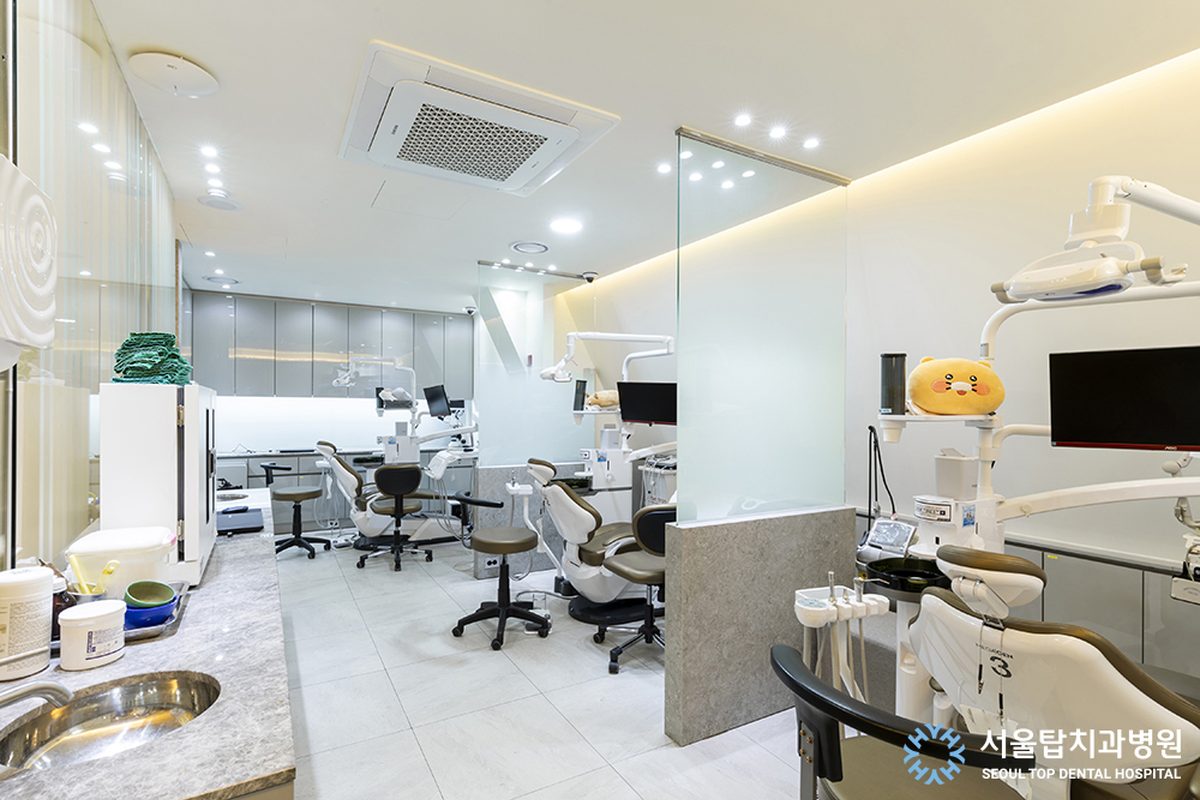
Materials include autogenous bone (your own), allografts, xenografts and synthetic substitutes, often combined. The graft acts as a scaffold that your own bone gradually replaces. Depending on the defect, grafting is done simultaneously with implant placement (minor defects) or as a separate first stage that heals 3 to 6 months before the fixture goes in (larger defects, sinus lifts).
How it changes your treatment timeline
A simultaneous graft adds little to the overall schedule. A staged graft extends treatment by several months but delivers a stable foundation where an immediate implant would risk failure. For international patients, Seoul Top structures the visits so imaging, grafting and placement align with realistic travel intervals.

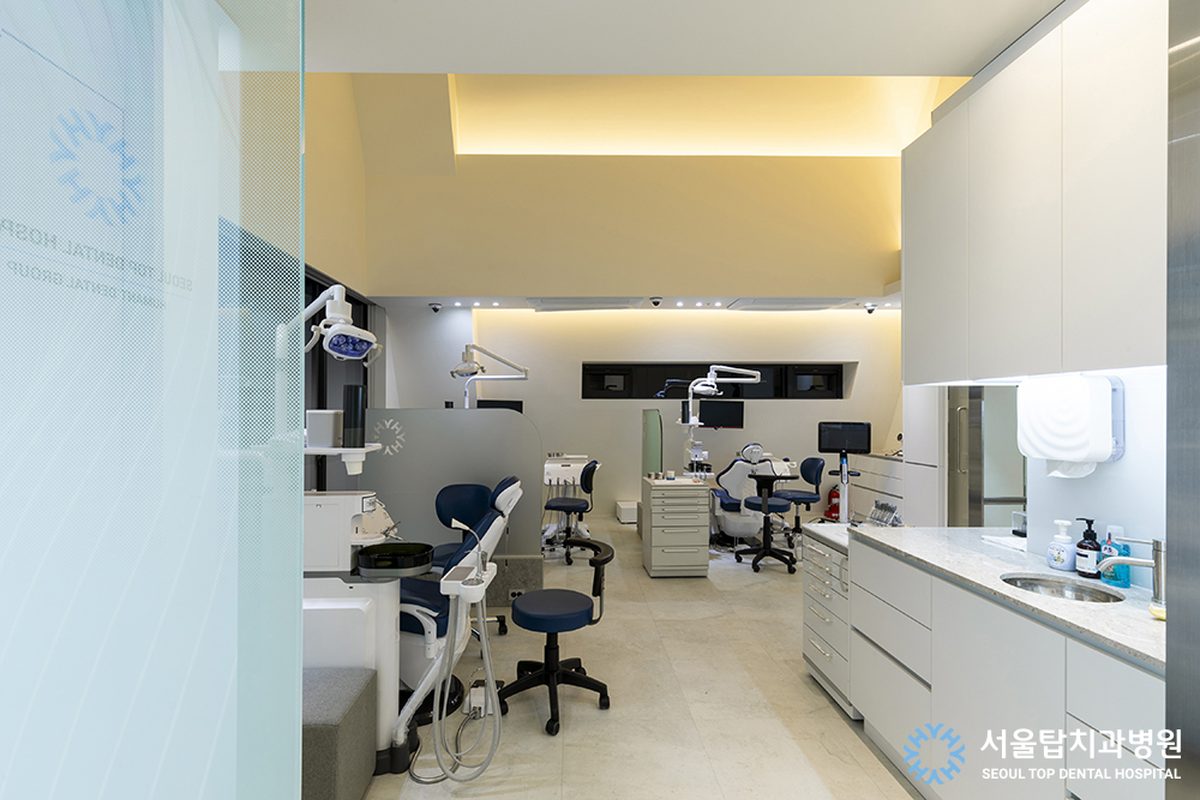
Seoul Top Dental Hospital performs grafting and implant placement in a hospital-grade sterile operating room, with 3D CT planning for every case. If you were told elsewhere that you lack bone for implants, a CT-based second opinion is worthwhile.