Many patients searching for lifting in Seoul ask the same question: is Ultherapy Prime a different treatment from the Ulthera they already know? The short answer: the same focused-ultrasound principle on an upgraded platform. Kate Clinic in Mapo, which operates the Prime system, summarizes what actually changed and what stayed the same.
What stayed the same: the MFU-V principle
Prime still delivers micro-focused ultrasound with visualization (MFU-V) to the SMAS layer at 1.5, 3.0 and 4.5 mm depths, creating thermal coagulation points that trigger collagen remodeling over 2 to 3 months. The lifting mechanism, target layers and FDA-cleared indication are unchanged, so published Ulthera evidence still applies.
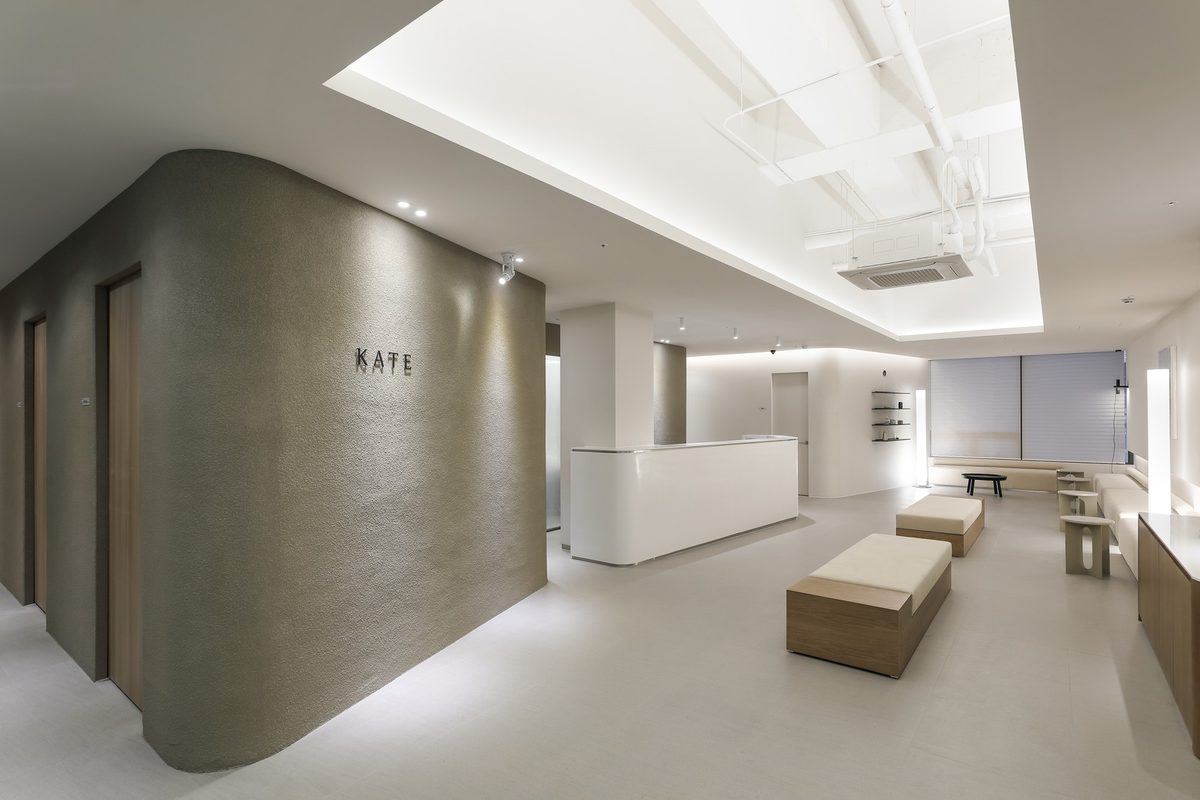
What changed: imaging, speed and comfort
Prime’s headline upgrade is the imaging system: a larger, sharper real-time view of skin layers, which makes depth placement more precise, especially on thin-skinned areas. Treatment workflow is streamlined, sessions run noticeably faster, and refined energy delivery is generally reported as more tolerable at equivalent settings.
Does the result differ?
The biological result depends on accurate energy placement, appropriate line counts and patient selection more than on the platform generation. Prime’s sharper imaging mainly reduces wasted shots, meaning energy landing at the wrong depth, which supports more consistent outcomes. In practice, operator skill in reading the ultrasound view remains the biggest variable.
Kate Clinic in Mapo runs Ultherapy Prime alongside Titanium Lifting and Tune Face, and selects devices after examining skin thickness and sagging pattern. If you had classic Ulthera before, a consultation can compare your previous response before planning a Prime session.