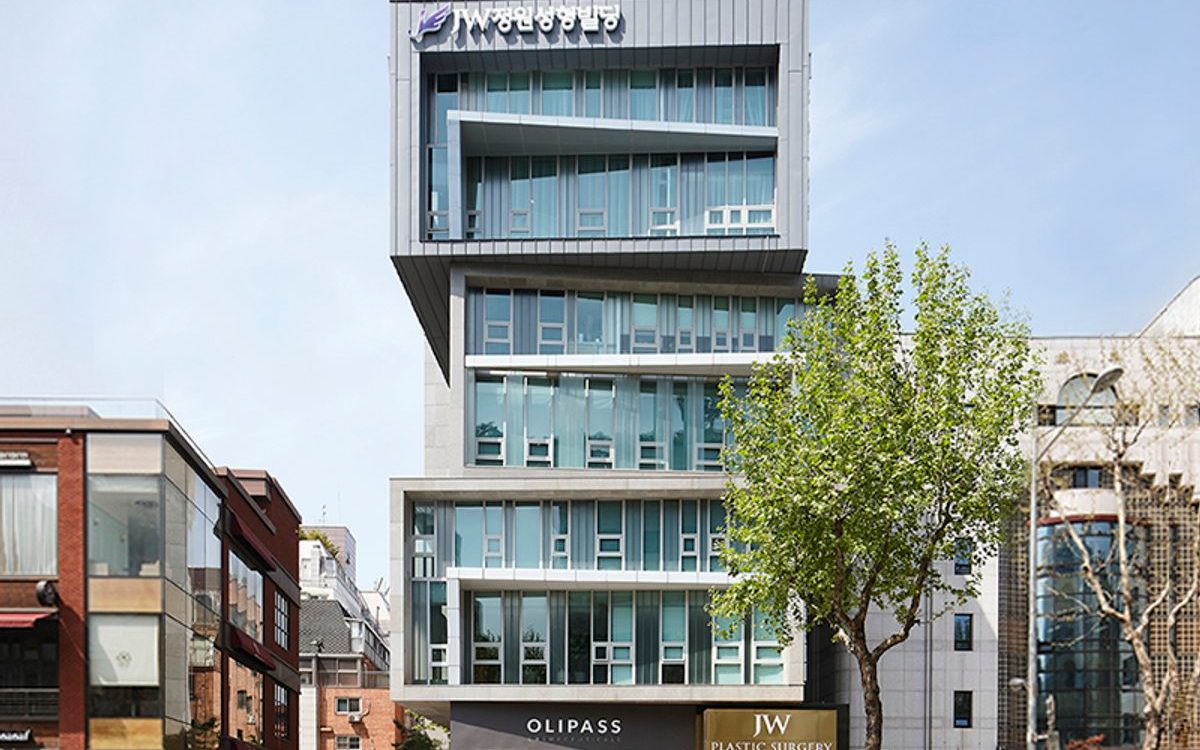
Breast augmentation results are not always permanent. Implants age, tissues change, and in some cases the first operation does not deliver the expected result. Knowing the early signs that a revision may be needed helps you act before discomfort or deformity gets worse. This guide summarizes the most common warning signs checked by revision specialists at JW Plastic Surgery in Sinsa, Seoul.
Hardening and tightness: capsular contracture
The most frequent reason for revision is capsular contracture, where scar tissue around the implant gradually tightens, making the breast feel firm, look rounded or sit higher than before. Mild cases are only a texture change, but advanced cases can cause visible distortion and aching. Contracture is graded from I to IV, and from grade III revision surgery is usually discussed.

Visible problems: rippling, malposition and size change
Wrinkling or rippling that shows through the skin, an implant that has shifted outward or downward (bottoming out), breasts that look clearly asymmetric, or a sudden change in size or shape after trauma can all indicate the implant or pocket needs correction. A deflated look in saline implants or unexplained swelling with silicone implants should be examined promptly.
How specialists confirm the diagnosis
A revision consultation usually includes a physical exam, review of your original surgery records if available, and imaging such as ultrasound or MRI to check the implant shell. Based on the findings, the surgeon plans whether to replace the implant, remove scar tissue, reposition the pocket or combine procedures such as a lift.
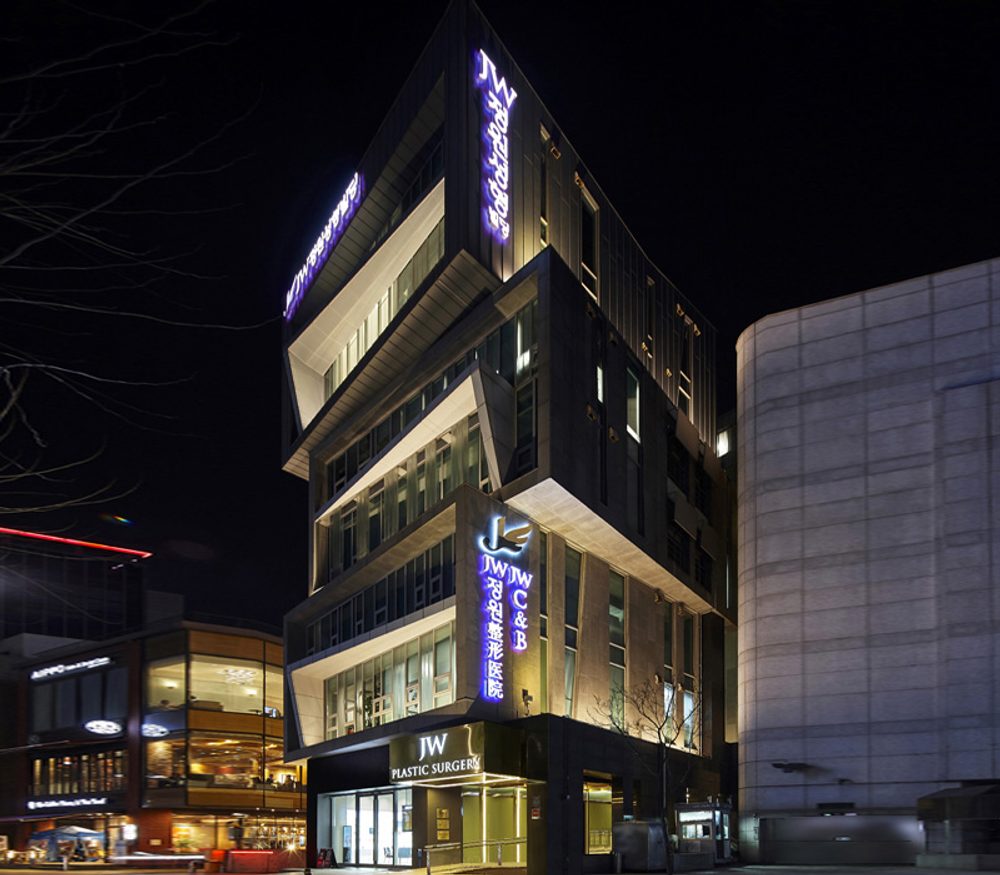
JW Plastic Surgery in Sinsa operates a dedicated revision program for breast, eye and nose surgery and consults international patients in English. If any of the signs above feel familiar, a check-up is the safest next step.