Acne leaves two problems behind: the scars themselves and the dull, uneven skin that surrounds them. Skin boosters get marketed for both, and the truth splits neatly down that line. Gwang Dermatology on Dosan-daero in Gangnam, Seoul sorts out what injectable hydration and regeneration can honestly do for post-acne skin.
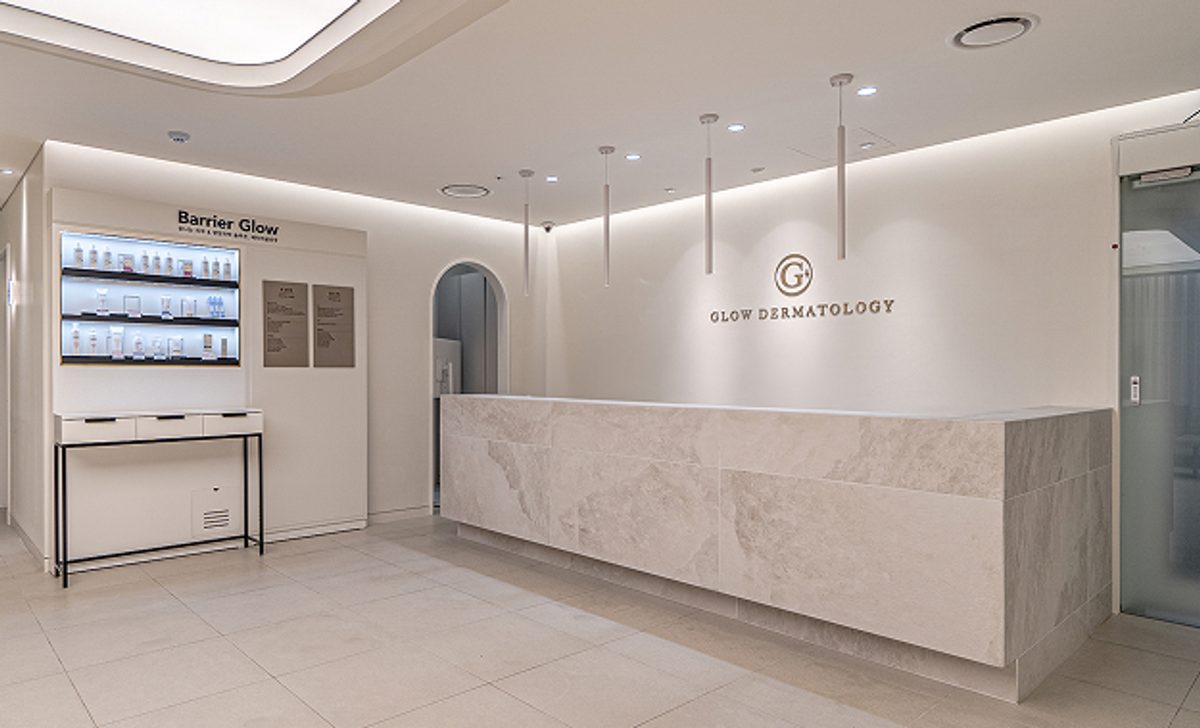
Reading your scar type first
Rolling scars are shallow waves with soft edges; boxcars are broader depressions with defined walls; ice picks are narrow, deep pits. Boosters that stimulate dermal repair can soften rolling scars and improve the texture around boxcars, because the problem lives in the dermis they reach. Ice picks run deeper than any injectable spreads, and promising booster results on them sets everyone up for disappointment.
Where boosters genuinely help
Polynucleotide and hyaluronic boosters improve skin quality across the scarred field: fine texture, hydration, the grayish dullness that makes scars read worse than they are. Several sessions spaced weeks apart build the effect gradually. For many patients the win is not that a specific scar vanished but that the whole cheek reads smoother in daylight, which is what other people actually see.
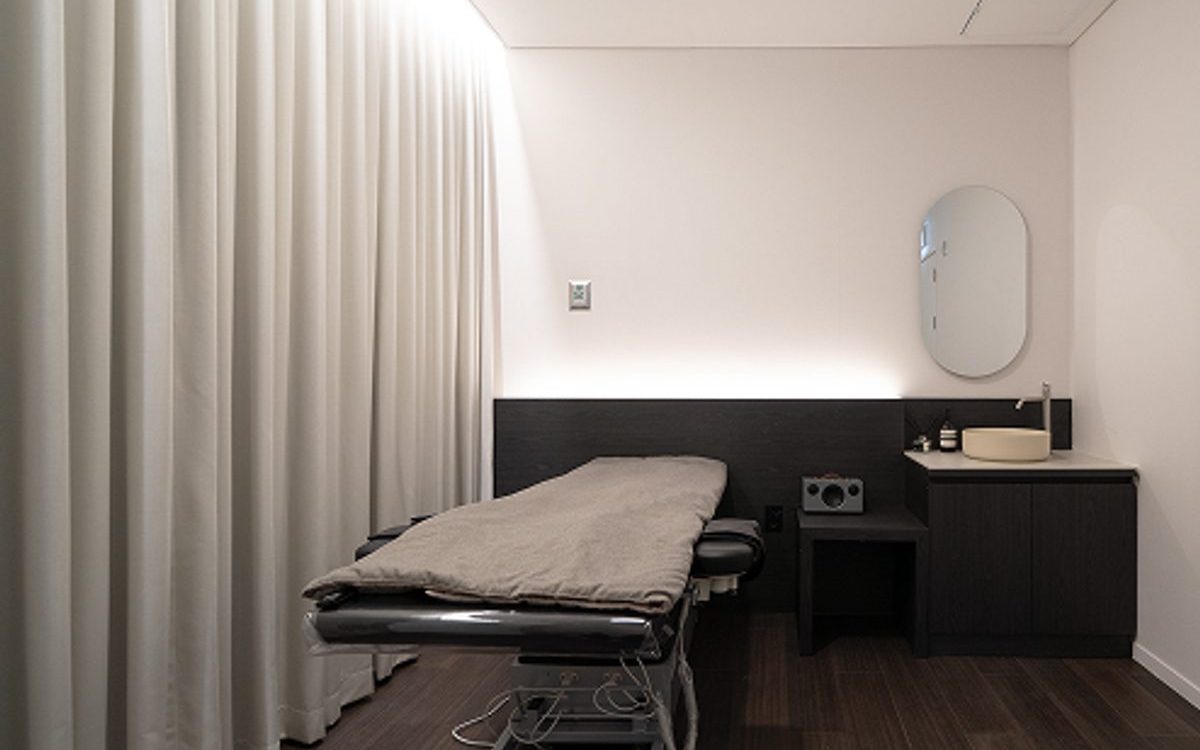
The honest combination plan
Deeper scars respond to fractional lasers, microneedling RF, or subcision that releases tethered bases, and boosters then support the healing field between those sessions. Active acne changes the order: inflammation gets controlled first, because treating scars on a battlefield wastes both. A staged plan with photographic checkpoints keeps everyone honest about progress.
Gwang Dermatology maps scar types before proposing any plan, with interpreter support for international patients. Bring makeup-free photos in daylight; that is the baseline the plan should be judged against.