Rejuran may be the most famous Korean skin booster abroad, and its fame rests on one honest claim: it helps skin repair itself. GLOW Dermatology in Cheongdam uses Rejuran as the stabilizer in its booster line-up. Here is what it does, who it serves and how a course actually feels.
How polynucleotides heal
Rejuran’s active ingredient is polynucleotides (PN): DNA fragments purified from salmon that are highly compatible with human tissue. Injected into the dermis, PN calms micro-inflammation, supports fibroblast activity and normalizes the repair environment. It adds no volume; what builds instead is healthier skin, with finer texture, better tolerance and a glow that develops over weeks.
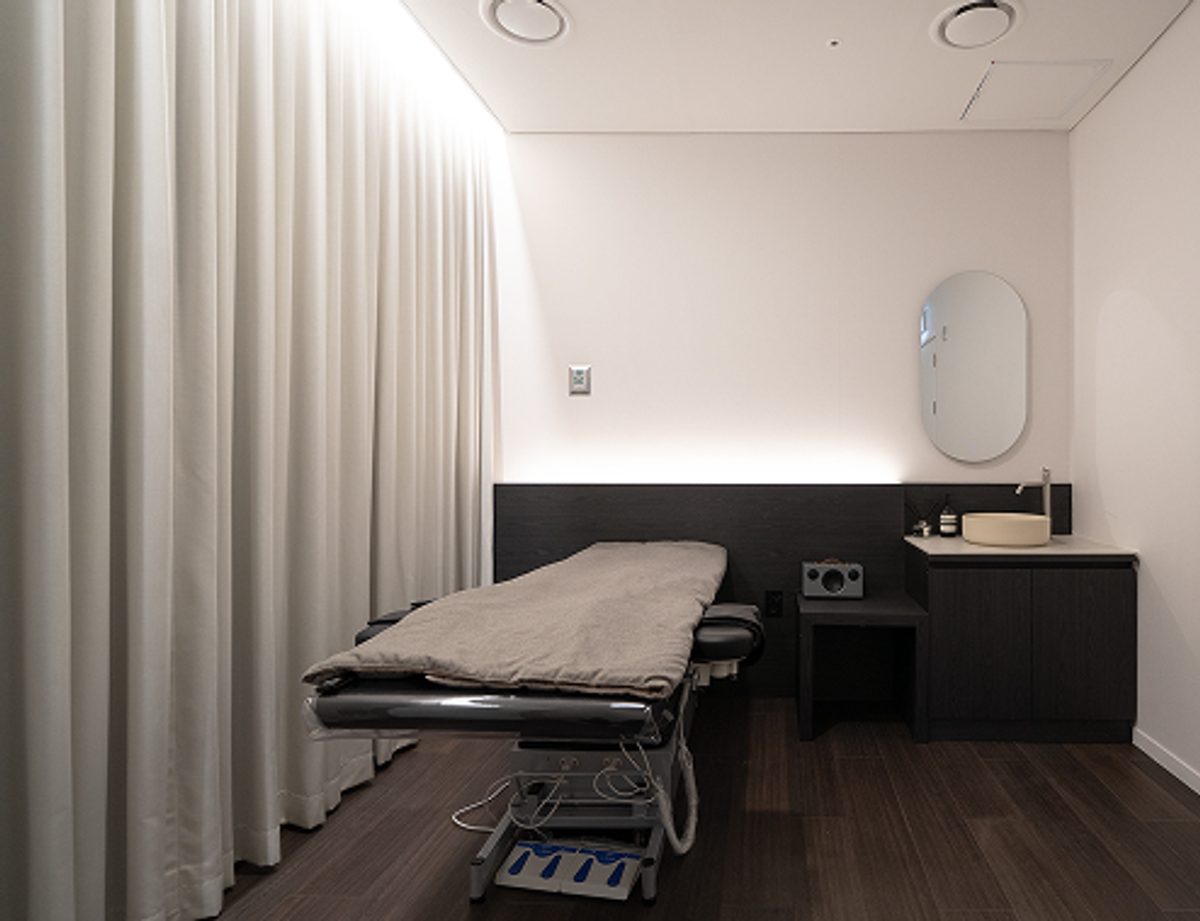
The patients who benefit most
Rejuran shines on skin with a damage history: post-acne roughness and early scarring, thin reactive skin that flushes at everything, barrier damage from over-exfoliation, and dull tired complexions that no cream fixes. It is also a favored preparation step, stabilizing reactive skin before stronger treatments such as lasers or collagen stimulators. The eye-area version targets fine crepey lines where firm products cannot go.
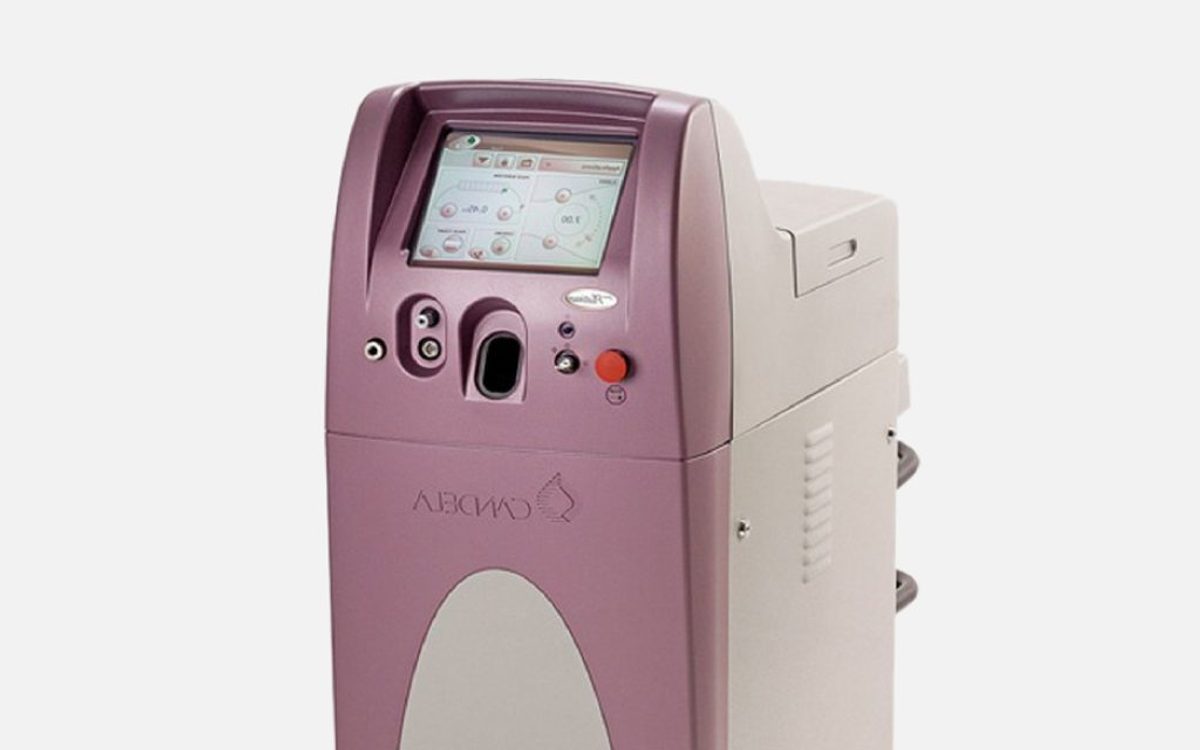
The honest course experience
The standard course is 3-4 sessions, 3-4 weeks apart. Honesty requires saying that the injections sting more than most boosters. Numbing cream and technique make it manageable, and the eye version uses gentler delivery. Small bumps settle within a day or two. Changes appear quietly from week 2-4: makeup sits better, redness settles faster, texture refines. Maintenance is typically 1-2 sessions per year.
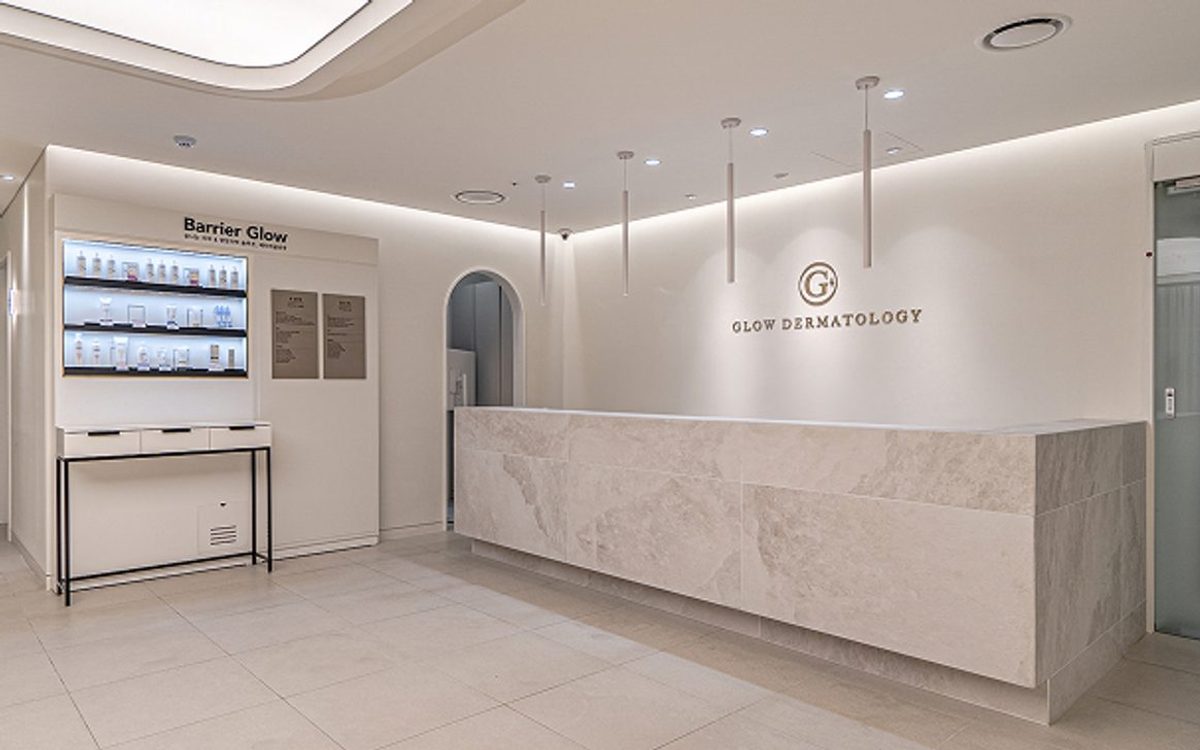
GLOW Dermatology in Cheongdam positions Rejuran alongside Gouri, Juvelook and exosomes, choosing the repairer when skin needs healing before building, with international consultation available. If your skin reacts to most products and still looks dull, Rejuran is usually the first booster worth discussing.