Among the skin boosters available in Seoul, Gouri stands out for one reason: it is a fully liquid polycaprolactone (PCL) injectable designed to spread through the face and stimulate the skin’s own collagen production. GLOW Dermatology in Cheongdam frequently fields questions from international patients about how Gouri works and how it differs from familiar hyaluronic-acid boosters. Here are the essentials.
A collagen stimulator, not a filler
Hyaluronic boosters hydrate by holding water where they are injected. Gouri works differently: PCL is a biocompatible, biodegradable polymer that triggers fibroblasts to produce new collagen. Instead of adding volume at the injection point, it gradually improves overall firmness and elasticity as collagen rebuilds over the following weeks.
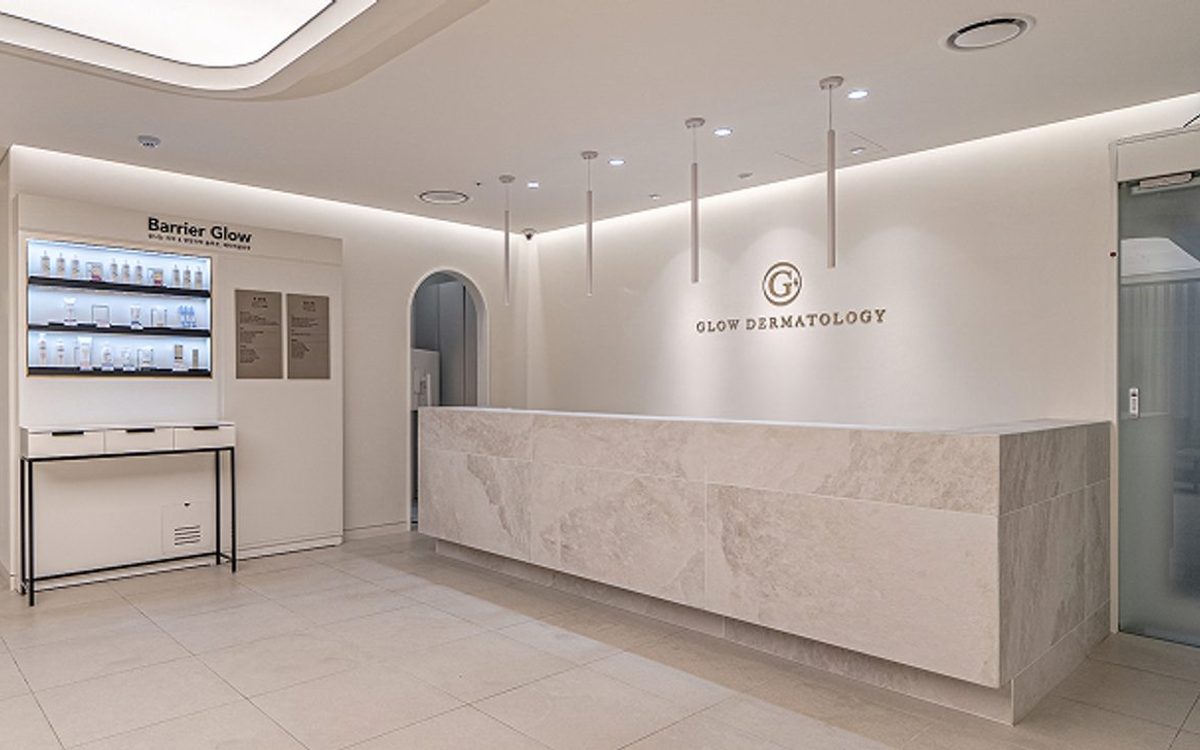
Liquid formula that spreads across the face
Because Gouri is fully solubilized rather than particle-based, it diffuses through facial tissue after a small number of injection points; a full face is commonly covered with around 10 points. This spreading property is why results appear as an even, natural improvement in skin quality rather than localized plumping.
Treatment rhythm and what to expect
A typical protocol is a series of 2 to 3 sessions spaced about 4 weeks apart, with firmness improving progressively as collagen synthesis continues. Mild redness or small bumps at injection points usually settle within days. Suitability depends on skin thickness, laxity and treatment history, so an in-person skin assessment comes first.
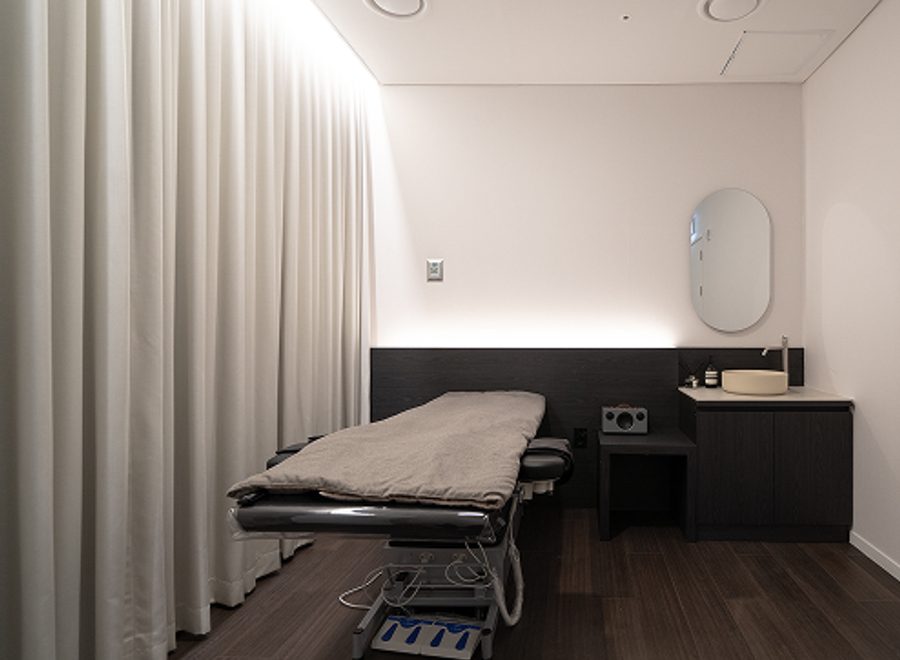
GLOW Dermatology in Cheongdam selects among Gouri, Rejuran, Juvelook and exosome boosters based on your skin’s condition and goal, and consults visitors from abroad. If overall skin firmness rather than volume is your concern, Gouri is worth discussing at a consultation.