Implant treatment is a years-long commitment attached to a significant invoice, and plans from two clinics can genuinely differ: how many implants, whether bone grafting is needed, extract or save a borderline tooth. A second opinion is how patients navigate that spread, and good clinics treat it as normal. Seoul Top Dental Hospital in Seocho, Seoul explains how to use one well.
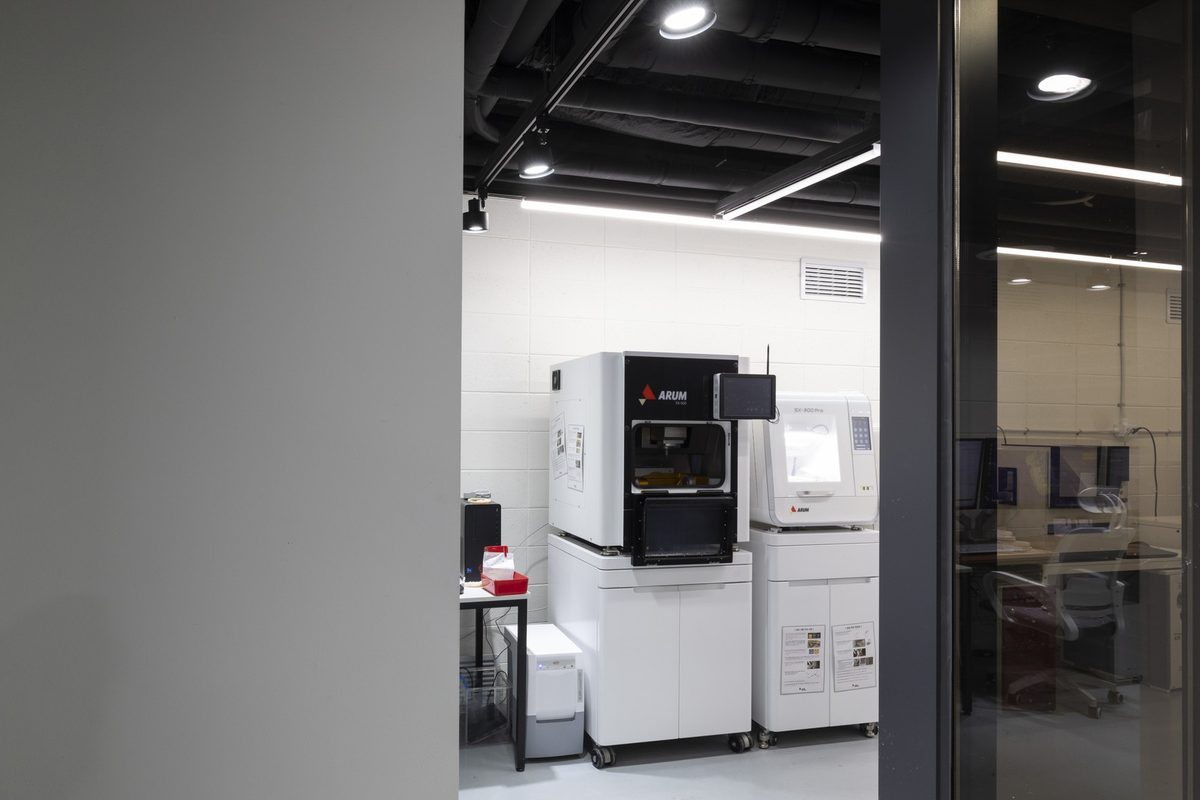
When a second opinion earns its time
Three situations justify the extra consultation most: a plan involving many implants or full-arch work, a recommendation to extract teeth you believed were savable, and large bone grafting proposals that surprise you. Disagreement between clinics here is common and legitimate, because judgment calls sit on real gray zones. A second opinion is less useful for a single straightforward implant with clear imaging, where plans rarely diverge.
Bringing the right materials
A useful second opinion needs your CT or panoramic images, the proposed treatment plan with stages, and the cost breakdown. Request copies from the first clinic; you are entitled to them, and re-taking images wastes money and radiation. Describe the first plan neutrally and avoid naming your preference; you want the second dentist’s independent read, not their agreement.
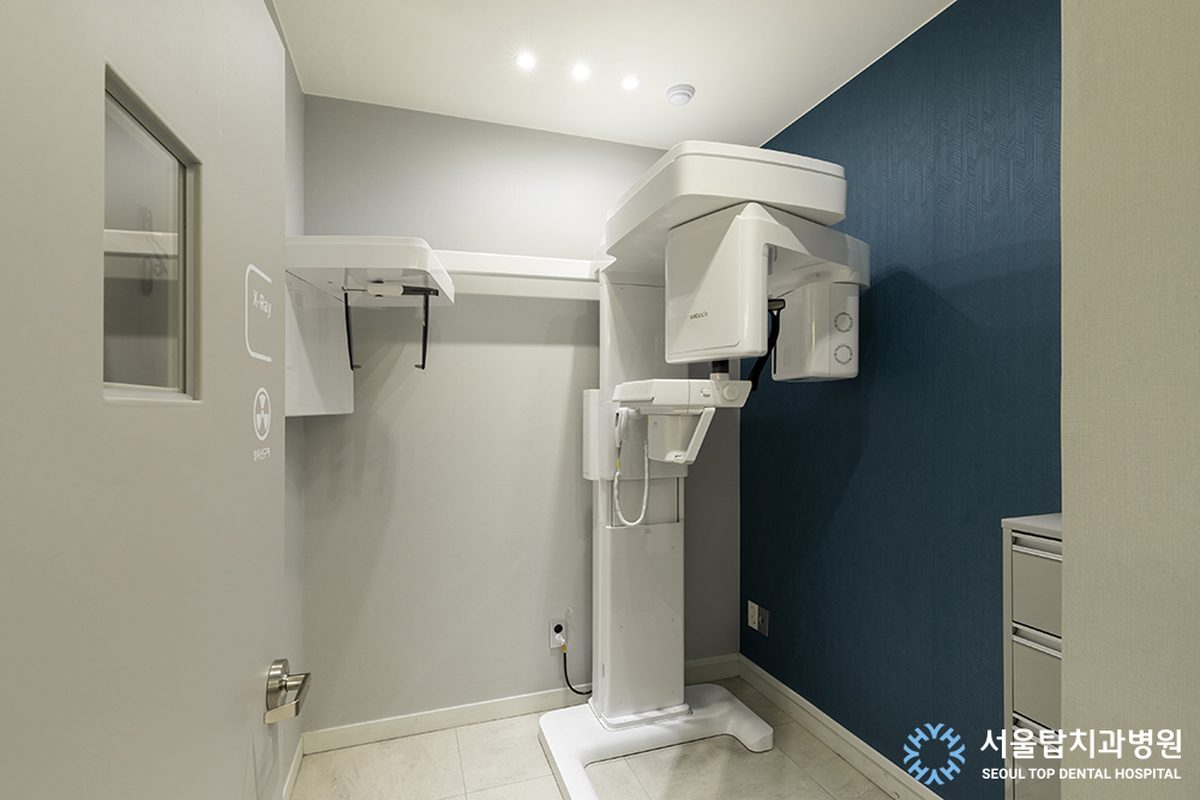
Comparing answers fairly
Plans differing in price alone are easy; plans differing in philosophy need questions. Ask each clinic why the other approach might be chosen and listen for whether they can argue both sides: a clinician who explains the rival plan fairly is showing you their reasoning, not their marketing. Beware of comparisons that hinge on urgency pressure; bone loss moves in months, not days.
Seoul Top Dental Hospital in Seocho provides written staged plans and reads outside imaging for second-opinion visits, including international patients. Ask your questions twice, in both chairs; the overlap of the honest answers is usually your plan.