A dental implant replaces a missing tooth with a titanium fixture in the jawbone, an abutment, and a crown. Because the treatment spans several months, understanding the full sequence helps patients, especially those traveling to Korea, plan visits realistically. Seoul Top Dental Hospital in Seocho explains each stage of the standard implant process.
Stage 1: diagnosis and treatment planning
Treatment starts with a 3D CT scan and oral examination. The dentist measures bone height, width and density at the missing-tooth site, checks sinus position and nerve lines, and confirms gum health. The plan decided here covers whether bone grafting is needed, which fixture to use, and immediate or delayed placement, and it determines the entire timeline.
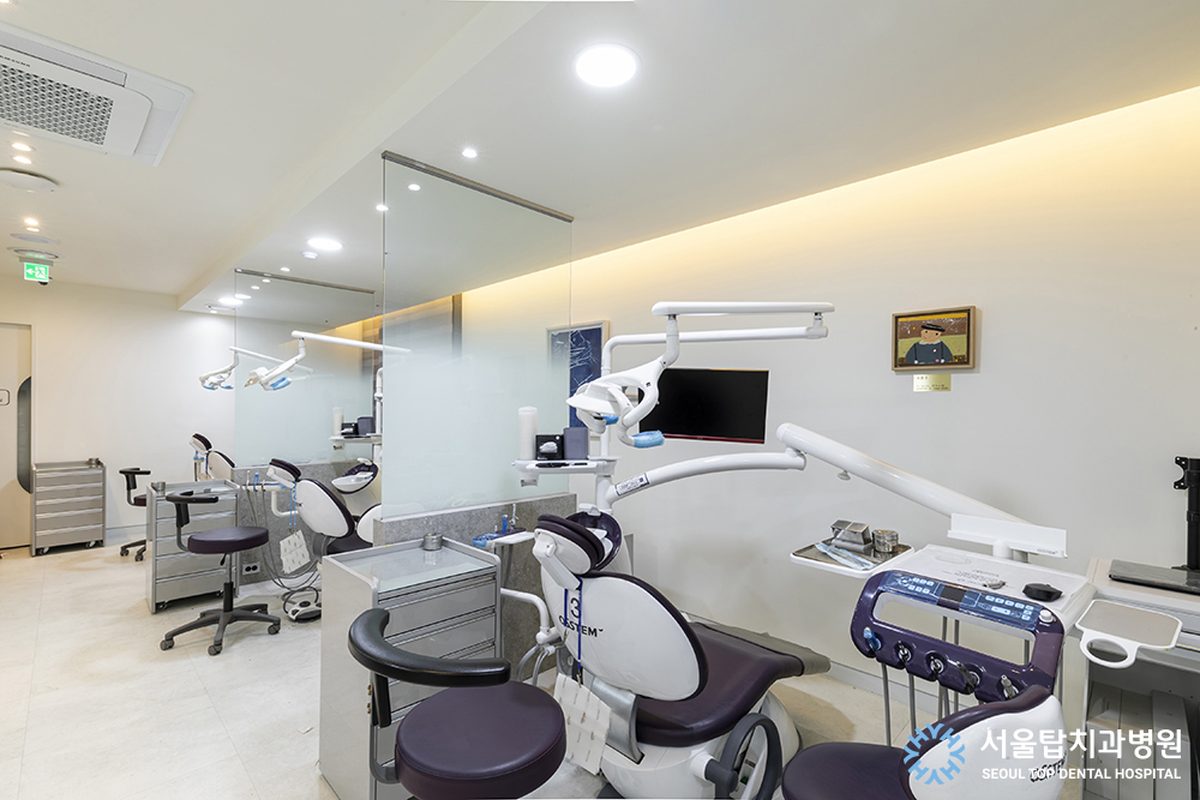
Stage 2: fixture placement and healing
The titanium fixture is placed in the jawbone under local anesthesia; the surgery itself usually takes under an hour per implant. The fixture then integrates with the bone over roughly 2 to 4 months for the lower jaw and 3 to 6 months for the upper jaw. If bone grafting was performed, healing time extends accordingly.
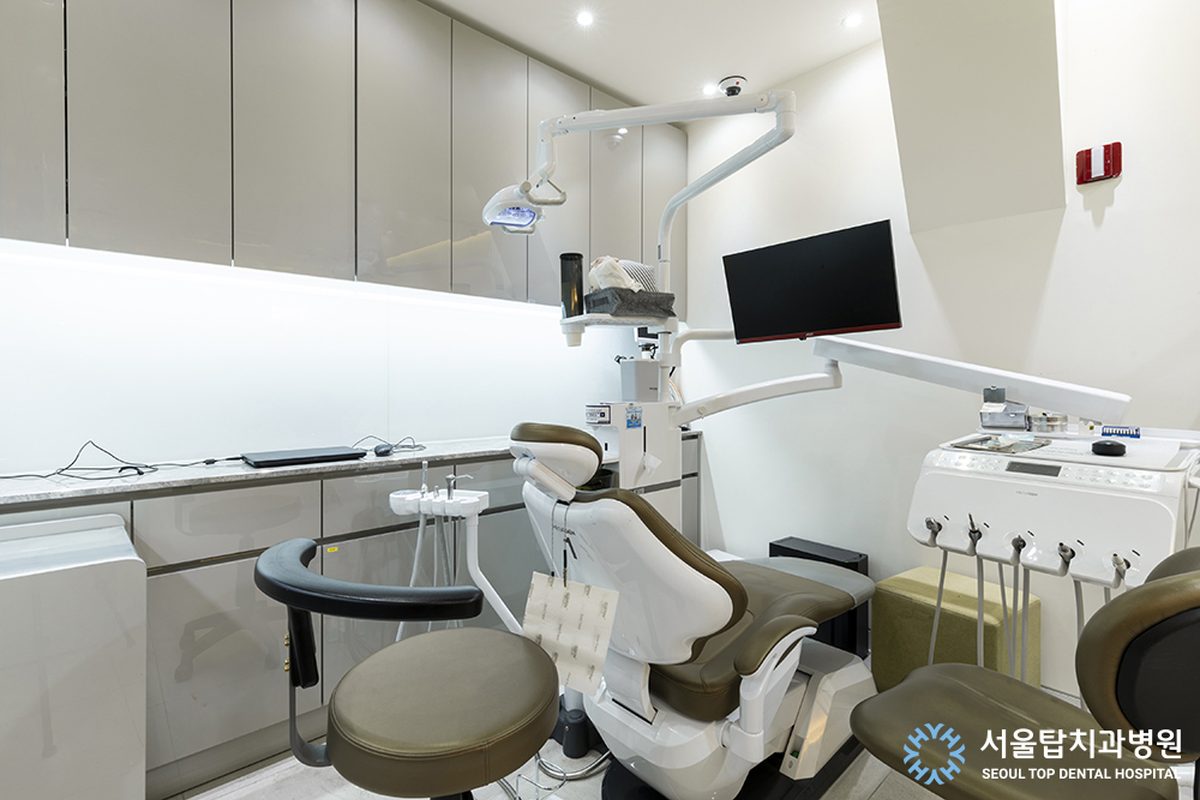
Stage 3: abutment and final crown
Once integration is confirmed, an abutment is connected and the gum is shaped around it. Impressions or a digital scan are taken, and the final crown is fabricated and fitted, typically within 1 to 2 weeks. After placement, periodic check-ups and cleaning habits determine how long the implant lasts.
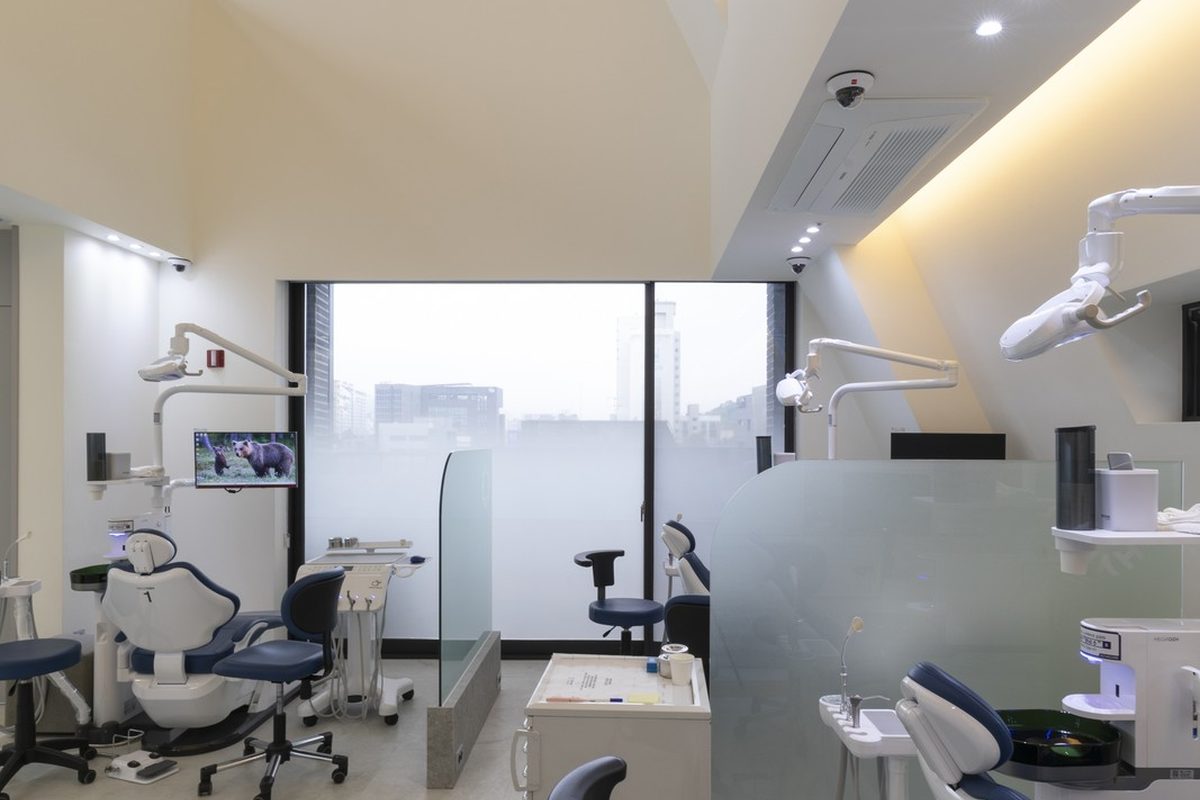
Seoul Top Dental Hospital in Seocho operates a hospital-grade clean room for implant surgery and schedules compressed visit plans for international patients. A CT-based consultation will tell you exactly which stages apply to your case.