Dermal filler is one of the most requested non-surgical treatments in Seoul’s Apgujeong district. A gel, most commonly hyaluronic acid (HA), is injected under the skin to restore volume, smooth folds or refine contours such as the chin and nose bridge. This guide covers the fundamentals that first-time patients at Ever Dermatology ask about most.
What fillers are made of
Most fillers used in Korean clinics are hyaluronic acid, a substance naturally present in skin that binds water. HA fillers differ in particle size and cross-linking: firmer gels support the chin or nose bridge, softer gels suit lips and fine lines. Because HA can be dissolved with hyaluronidase, results are adjustable, which is one reason it is the standard choice for first-time patients.
Which areas can be treated
Common treatment zones include nasolabial folds, chin, lips, cheeks, temples, under-eye hollows and the jawline. Each area uses a different gel texture, injection depth and technique, so area-by-area planning matters more than total volume. At a consultation, the doctor examines facial balance and recommends where a small amount brings the most visible change.
How long results last
Longevity depends on the product, the area and individual metabolism. As a general range, lips tend to be on the shorter side, while chin and cheek enhancement with firmer gels lasts longer, commonly around 6 to 18 months. Touch-up timing is best decided by follow-up observation rather than a fixed calendar.
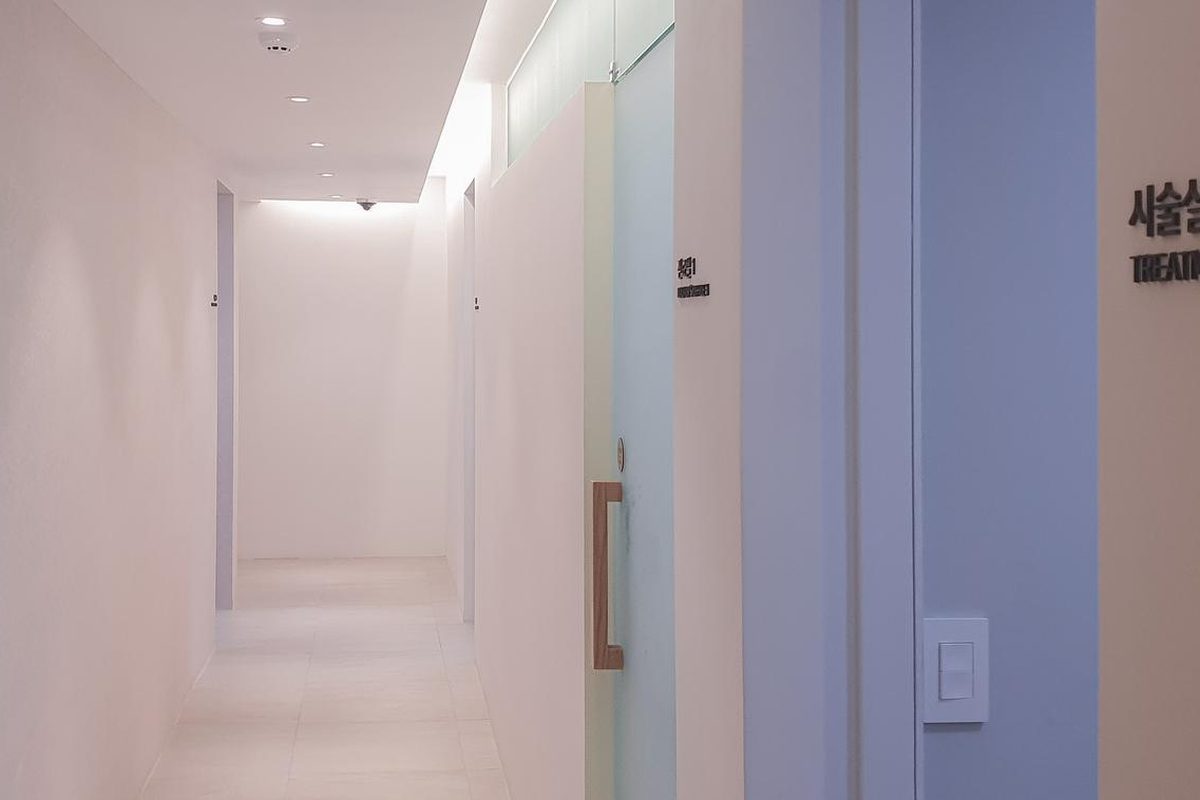
Ever Dermatology in Apgujeong plans filler treatments area by area after an in-person skin and facial-balance assessment, and consults international patients. If you are considering your first filler, start with a consultation rather than a product name.