First-surgery consultations begin with wishes; revision consultations begin with history. Knowing how the appointment actually unfolds helps patients bring the right things and ask the right questions. JW Plastic Surgery in Gangnam, Seoul walks through a typical revision consult from the front desk to the plan.
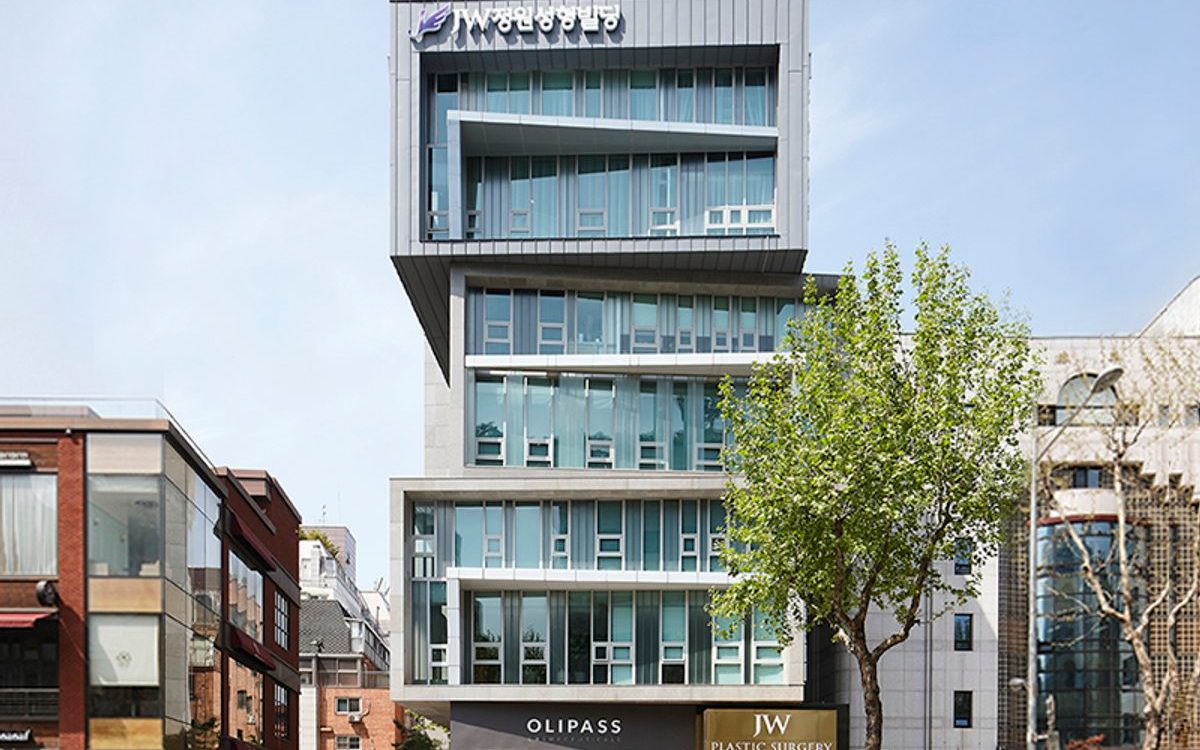
The first hour: history before examination
The consult opens with documents, not mirrors: previous operative records if you obtained them, old photos from before the first surgery, and your own account of what bothered you then and bothers you now. The coordinator or surgeon will ask when the last surgery was, how healing went, and what complications appeared. Only then comes the physical examination, because what the surgeon feels under the skin, including scar tissue, implant position, and tissue thickness, only makes sense against that history.
Imaging and the honest conversation
Depending on the area, the clinic may take photos under standard lighting, X-rays or CT for noses and facial bones, or ultrasound for breast implants. Then comes the part that separates revision consults from sales talks: a frank discussion of what is achievable, what the scar tissue limits, and whether waiting longer would improve the odds. A good revision surgeon spends as much time on constraints as on possibilities, and sometimes recommends against surgery.

Leaving with a real plan
You should leave with the proposed method, the staged timeline if multiple steps are needed, recovery expectations adjusted for revision healing, and costs. International patients also receive the visit schedule: how many days in Korea, when follow-ups happen, and how remote checks run after departure. If any of those are vague, ask again before deciding.
JW Plastic Surgery runs revision consultations with interpreters and advance record review for international patients. Send your documents before you fly; the consultation is better when the history arrives first.