The glow patients point to on screens is not one property but three stacked: deep hydration, an even micro-surface and healthy light reflection. Each layer has its booster. GLOW Dermatology in Cheongdam explains how glass skin is actually engineered.
The three layers of glow
Hydration fills the skin from within: plump cells scatter less and transmit more light. Surface evenness removes the micro-shadows of pores, flakes and fine texture that read as dullness. And an intact barrier produces the healthy reflection cosmetics imitate. Dull skin usually fails at two of the three, which an examination identifies before any syringe appears.
The recipe by complaint
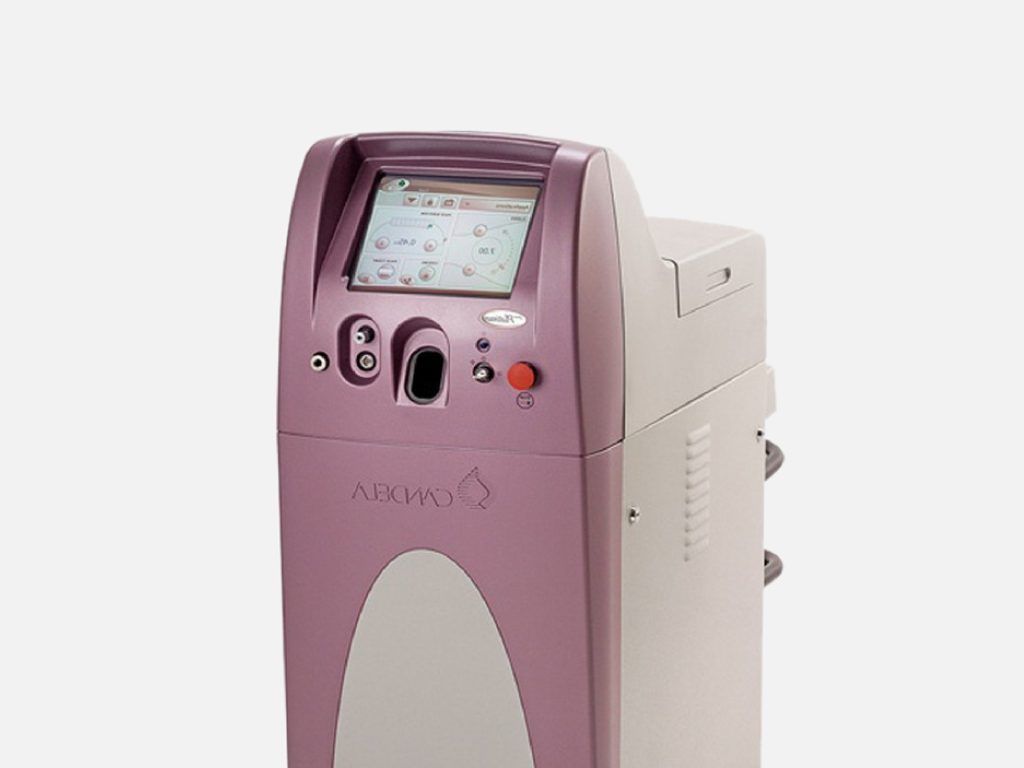
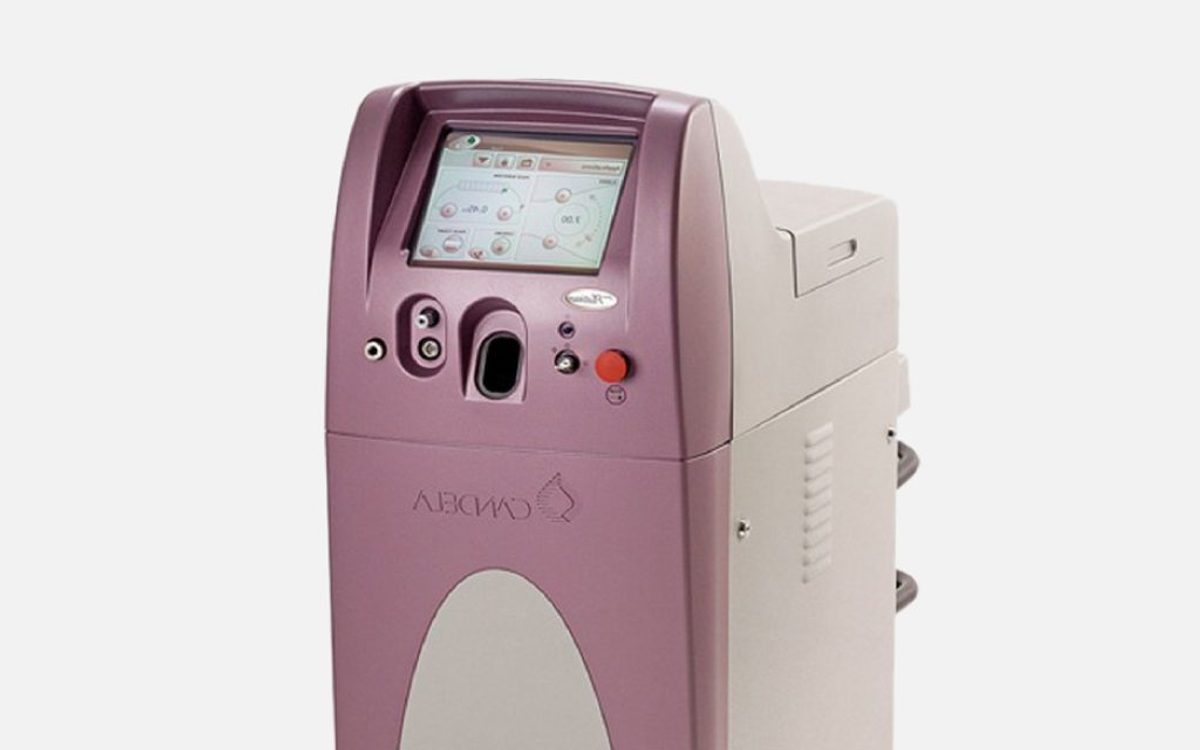
Dehydrated, tired skin answers to classic HA skinboosters, micro-deposits of hydration across the face. Dull plus rough answers to Juvelook-style PDLLA refining the micro-surface across a series. Damaged, reactive dullness calls for polynucleotide repair before shine is even discussed. Combination recipes are the norm: a hydration base with a refinement course, sequenced weeks apart, often finished with an exosome session after any laser work.
Timeline and maintenance
First-week watery glow from HA settles into a steadier finish as courses progress, judged honestly at six to eight weeks in daylight photos. Maintenance runs seasonally, and sunscreen guards the investment daily.
GLOW Dermatology in Cheongdam diagnoses which glow layer is missing before writing any plan, consulting international patients. Bring a photo of the glow you mean; the word has as many meanings as faces.