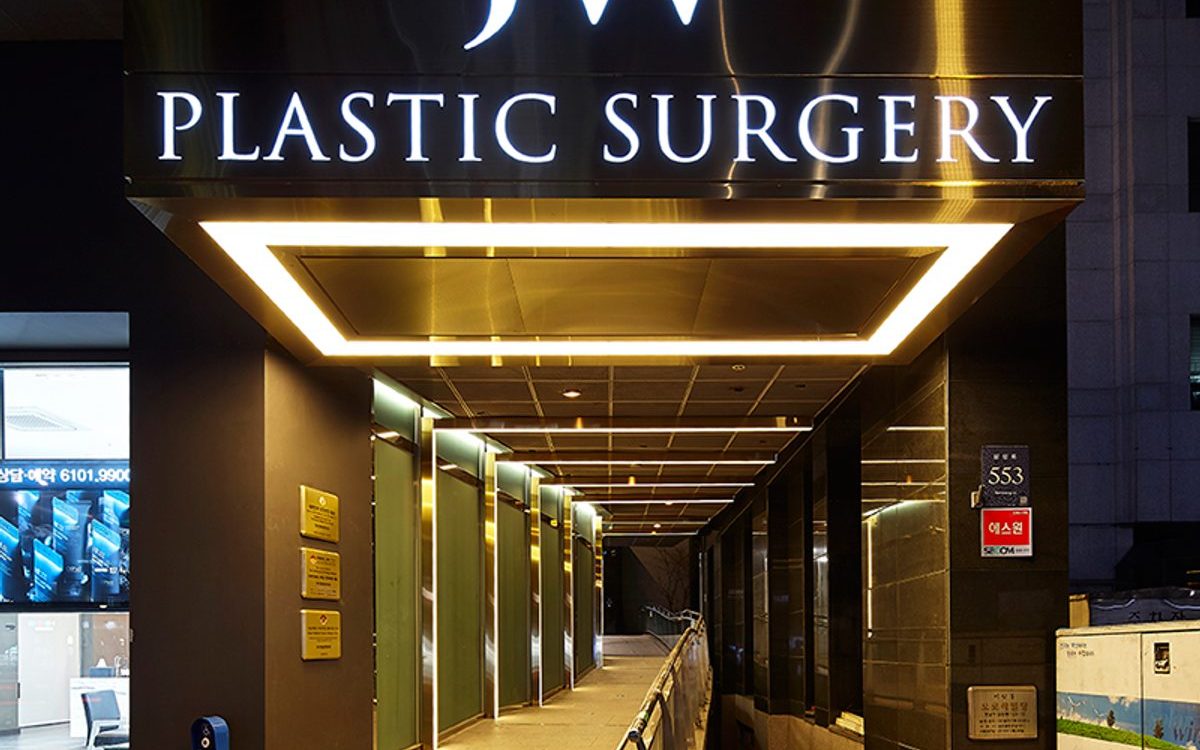
Among eyelid revision requests, one stands out for difficulty: lowering a crease that was set too high. Raising a low fold is routine; lowering a high one fights scar tissue and memory. JW Plastic Surgery in Sinsa, Seoul explains the mechanics honestly.
Why high folds happen and why they bother
A high fold exposes too much lid platform, reading as perpetually surprised or sleepy, often with a thick-looking lid and a visible scar line well above the lash line. Causes include aggressive design, over-removal of tissue and adhesion forming higher than planned. The complaint is rarely subtle: patients describe looking operated rather than refreshed.
Why lowering fights biology
The old fold exists because skin adheres to deeper structures along a line. Lowering means releasing that adhesion completely, preventing it from re-forming, and building a new adhesion lower down, all within tissue that has already been dissected once. If the first surgery removed generous skin or fat, the material for reconstruction is scarce: sometimes tissue is repositioned, sometimes grafting is discussed. This is why lowering outcomes correlate with surgeon revision volume more than almost any eyelid operation.

Expectations that keep patients sane
Lowering usually succeeds in meaningful millimeters, not total erasure; the old line may remain faintly visible when eyes close. Swelling makes the fold look high again early, so judgment waits months. Staged plans are legitimate when scarring is severe.
JW Plastic Surgery assesses tissue reserve and adhesion height before promising numbers, with interpretation for international patients. Bring photos from before your first surgery; the original anatomy sets the realistic target.