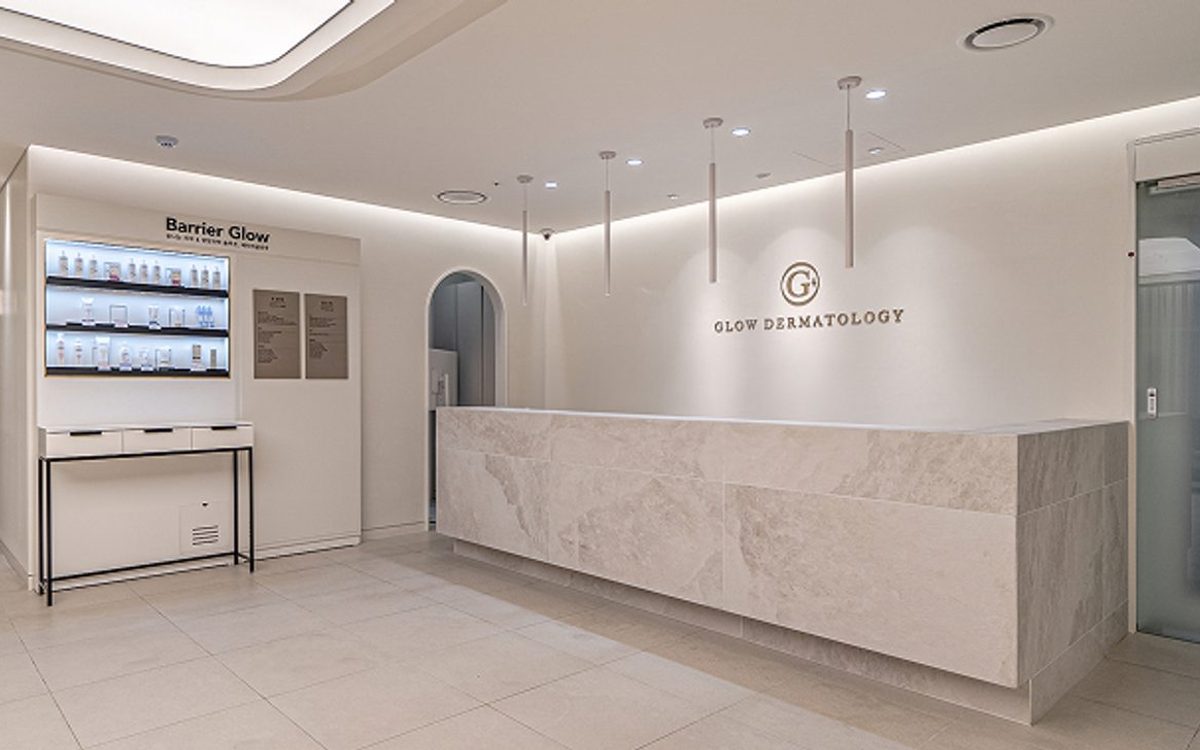
Men now sit in Seoul booster chairs in meaningful numbers, usually arriving with a complaint rather than a product name: tired-looking skin, rough texture, razor-irritated cheeks. GLOW Dermatology in Cheongdam explains how skin booster planning changes when the patient is male.
Male skin is genuinely different
It runs roughly 20 percent thicker, with more collagen density, more oil production and daily mechanical exfoliation from shaving. Aging also lands differently: male skin holds up longer, then changes faster once decline starts, and sun-exposed outdoor lifestyles are more common. Thicker tissue means sensations and dosing differ, and oiliness shifts which boosters make sense.
Which boosters answer male complaints
Dull rough texture and enlarged pores, the top male complaints, answer well to Juvelook-style PDLLA refinement. Shaving-stressed, reactive skin benefits from polynucleotide repair, calming the daily micro-injury cycle. Early loosening answers to Gouri-style collagen stimulation. Pure hydration boosters matter less for oily male skin than for dry female skin, an honest nuance menus rarely mention.
Logistics men ask about
Sessions are short and discreet, redness typically settles within a day, and shaving resumes once injection points close, usually the next day, with gentler technique that week. Nobody at the office needs to know, which, for many male patients, is a requirement rather than a preference.
GLOW Dermatology in Cheongdam assesses male skin on its own terms and consults international patients. If your skin looks tired in meetings regardless of sleep, that complaint has a treatment category now.