Patients research surgeons for months and anesthesia for minutes. Revision surgery is exactly where that ratio should change: operations run longer than primaries, scarred tissue bleeds differently, and safety systems matter more. JW Plastic Surgery in Sinsa, Seoul explains what responsible setups look like.
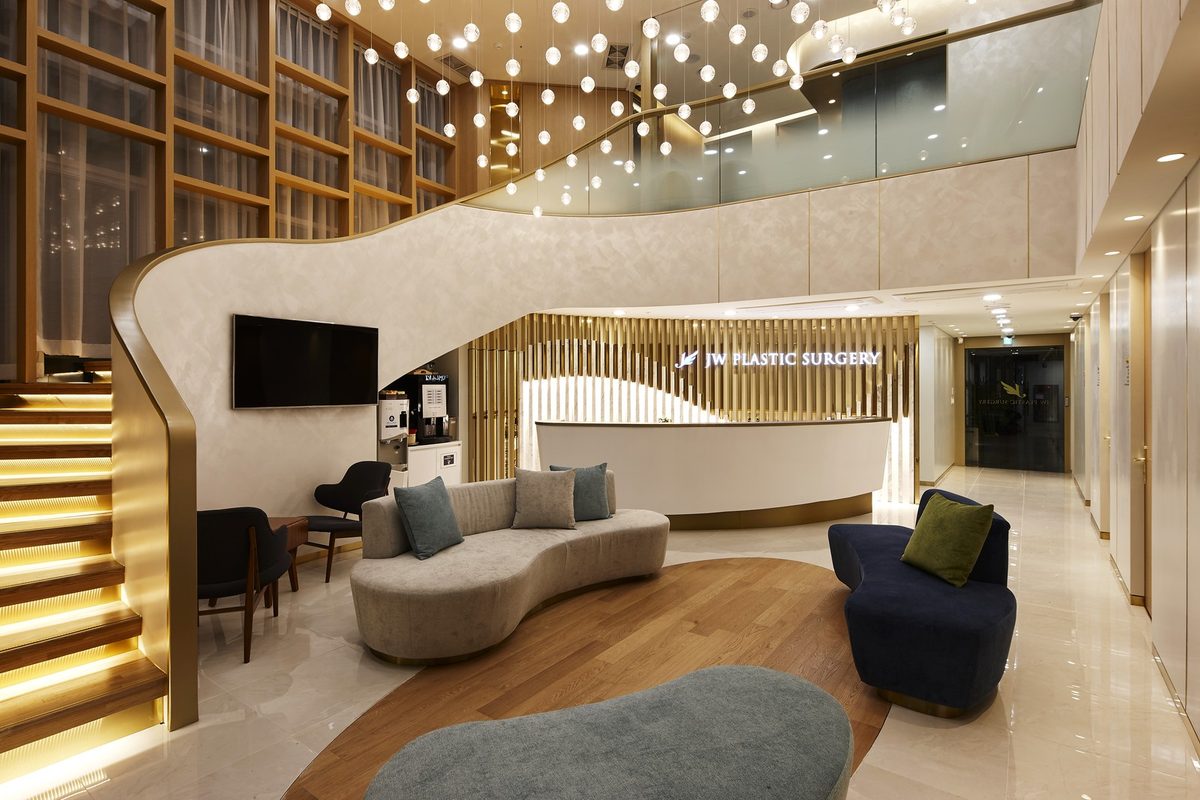
Which anesthesia for which revision
Smaller revisions, some eyelid corrections among them, run under local anesthesia with sedation: you breathe on your own, feel nothing and recover fast. Longer reconstructions, breast revisions and rib-cartilage rhinoplasty among them, use general anesthesia with full airway control. The choice follows the operation and your health history, not patient preference alone, and it is made at consultation rather than on the morning.
The safety systems behind the sleep
The honest markers: a dedicated anesthesia provider present for the whole operation rather than shared across rooms; monitoring that includes oxygen, circulation and depth of sedation; emergency equipment and drugs checked and in date; and a recovery area where you are observed until stable criteria are met. Pre-surgery screening, blood work, cardiac history and medication review, filters out trouble before it enters the room.
Questions that identify a safe clinic
Who administers and monitors my anesthesia, and are they present throughout? What happens if something unexpected occurs? How will I be monitored afterward? Clear, specific answers mark clinics that have built systems; vagueness marks clinics that have not needed them yet.
JW Plastic Surgery operates with dedicated anesthesia staffing and full monitoring for revision cases, and explains its safety protocol to international patients before booking. The goal of good anesthesia is a boring story; ask the questions that make boring likely.