Patients treating facial redness still have lives to show up for, and most will wear makeup between sessions. Done right, coverage is harmless camouflage; done wrong, it fuels the fire it hides. GLOW Dermatology in Cheongdam shares the rules it gives redness patients.
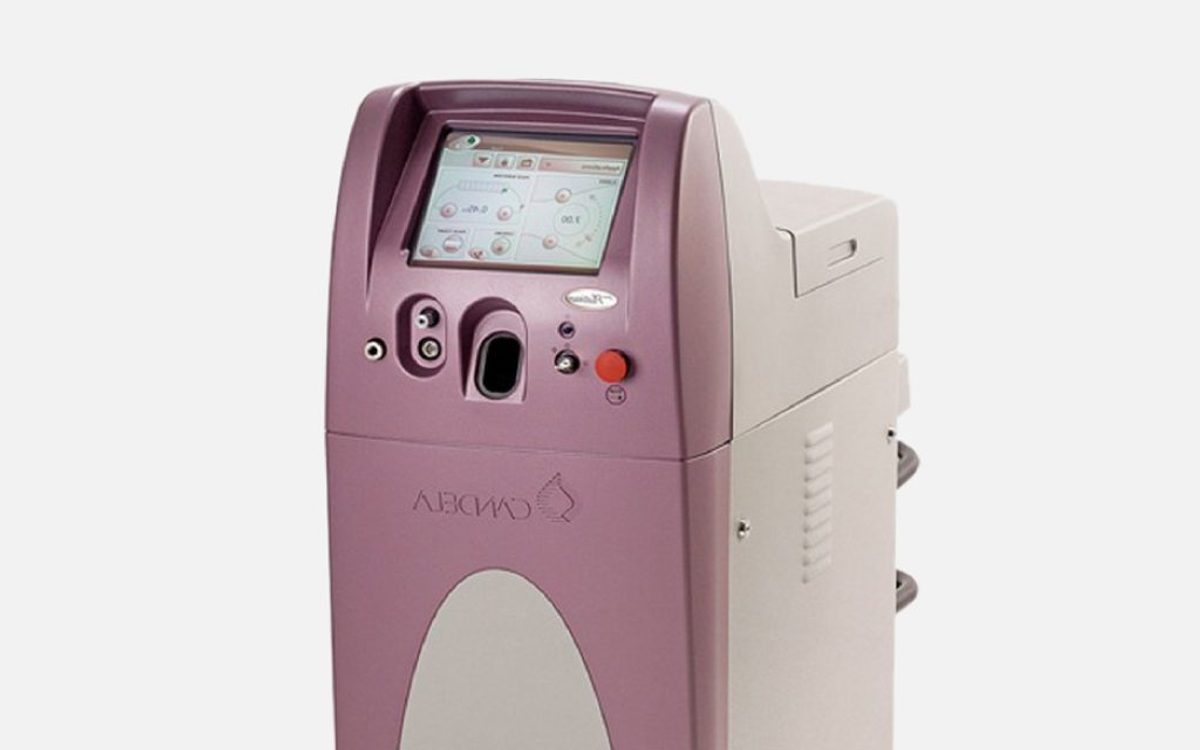
Color logic: green before beige
Redness cancels with green: a thin green-tinted primer under foundation neutralizes flush with far less product than piling on concealer. Less total product means less to irritate and less to remove at night, which is the real win for a fragile barrier. Choose coverage you can remove with a gentle cleanser alone; anything demanding a strong double cleanse costs more than it hides.
Ingredient rules for reactive skin
Skip fragrance, denatured alcohol high on the list, and menthol-cooling effects. Mineral-based formulas with zinc oxide or titanium dioxide pull double duty as sun protection. Cream textures beat powders on dry reactive skin, and applicator hygiene matters more than brand: sponges and brushes collect what inflamed skin does not need.
Around treatment days
After vascular laser, skin asks for a makeup pause until the surface settles, usually a day or two by your clinic’s instruction. Rebuild coverage gradually rather than returning to full layers the next morning. And track honestly: if redness is climbing despite careful cover, the answer is treating vessels, not thicker camouflage.
GLOW Dermatology in Cheongdam coordinates makeup guidance with its redness treatment plans and consults international patients. Camouflage and cure are not rivals; they just need to know their jobs.