The days after a laser session are when skin decides how well it will heal. Exosome therapy aims squarely at that window: regenerative signal particles applied when skin is most receptive. GLOW Dermatology in Cheongdam explains why the pairing has become standard in Seoul clinics.

What exosomes actually are
Exosomes are nano-sized vesicles that cells use to send instructions: growth factors, repair signals, calm-down messages. Applied to skin, they do not add volume or structure; they change the conversation happening in the tissue. Quality varies widely by source and processing, which is why clinic-grade products and proper storage matter more here than in almost any other category.
Why the post-laser window
Fractional and resurfacing lasers open microchannels and intentionally trigger a healing response. Delivering repair signals in that moment does two things: channels let the particles reach living skin, and the healing cascade has instructions arriving exactly when cells are listening. Clinically, patients see faster calming of redness, shorter rough-texture phases and, over a series, better texture outcomes than laser alone.
The practical protocol
Exosomes go on immediately after laser, sometimes with microneedling on non-laser visits. Mild redness remains a laser matter; the add-on does not add downtime. A typical program pairs each monthly laser with an exosome application, then reassesses at photo review.
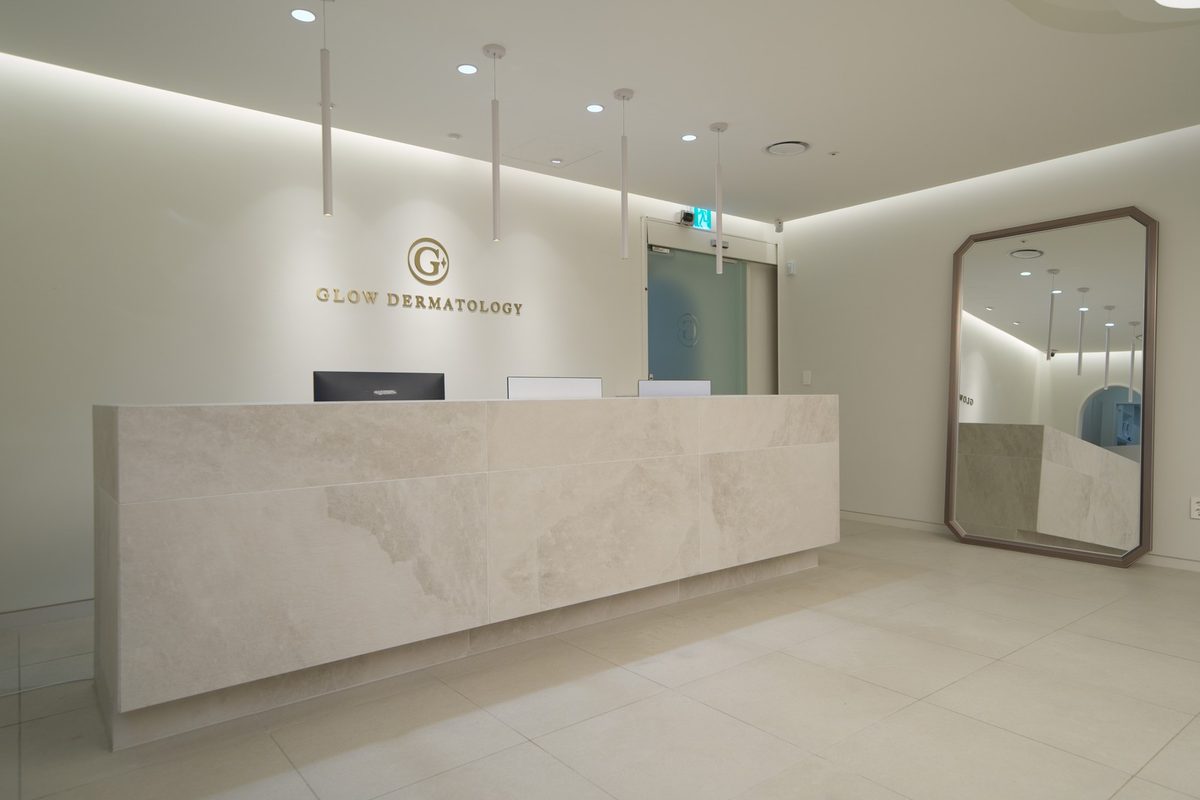
GLOW Dermatology in Cheongdam uses exosome therapy as a recovery layer across its laser programs and consults international patients. If your downtime matters as much as your results, this is the add-on that earns its place.