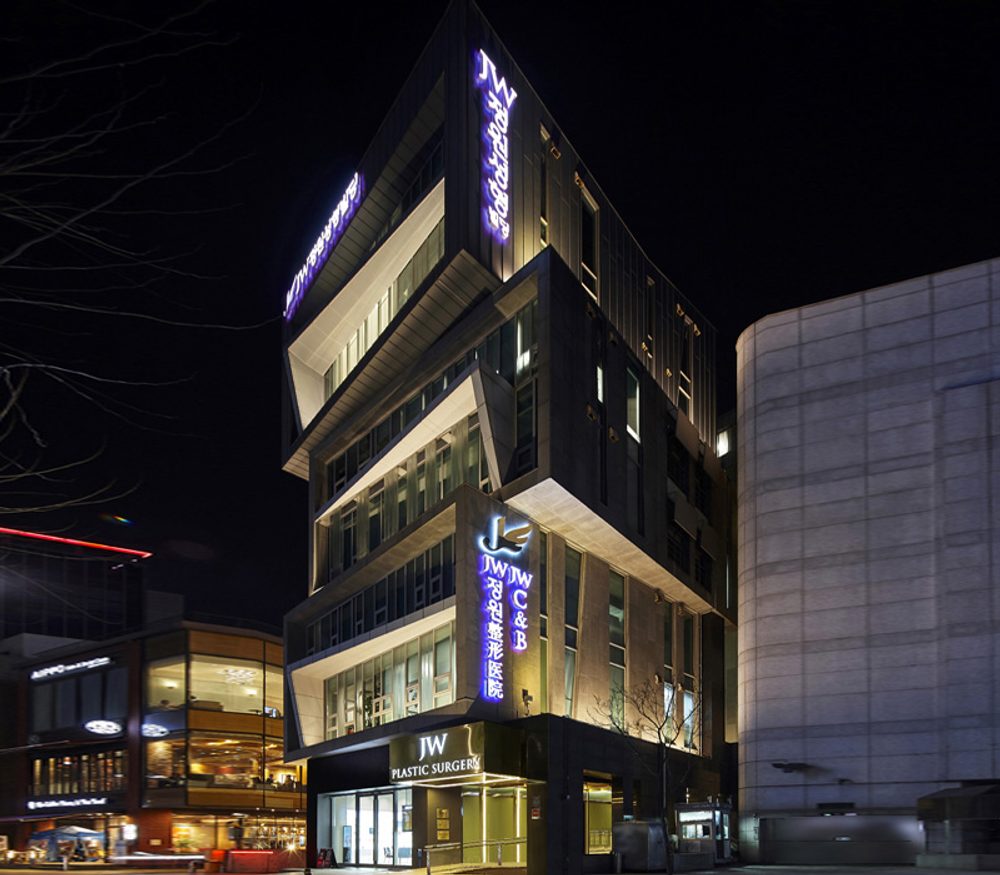
Revision surgery is demanding enough; doing it across borders adds logistics that reward planning. The good news: international revision patients follow a well-worn path, and the preparation list is concrete. JW Plastic Surgery in Sinsa, which operates on revision patients from abroad year-round, lays out the planning map.
Documents: your first surgery’s paper trail
The single most valuable thing you can bring is documentation of the previous surgery: operative records naming the technique and any implant’s manufacturer and size, before-and-after photos, and any imaging. Request these from your original clinic before you fly; most release them to the patient on request. No records? Surgery is still possible; the surgeon reads the previous work through examination and imaging instead, but expect the plan to carry more built-in flexibility for what is found inside.
Remote consultation and the realistic stay
Start with photo- or video-based remote consultation weeks ahead: it sorts candidacy, rough method and timing before any ticket is bought. For the trip itself, revision cases generally need longer on the ground than first surgeries: commonly seven to fourteen days depending on the operation, covering in-person consultation and labs, surgery day, early dressing changes and stitch removal before clearance to fly. Compressing below the surgeon’s minimum trades safety for airfare; book flexible tickets instead.

Follow-up from another country
Healing continues for months after your flight home, so the follow-up protocol matters as much as the surgery date: scheduled photo check-ins, a direct channel for questions, clear instructions on which local findings need a local doctor versus a message to Seoul. Plan a possible second short visit around month three to six for bigger revisions. It is often unnecessary, but better penciled in than improvised. Travel insurance that covers post-surgical complications abroad is a small line item worth its price.
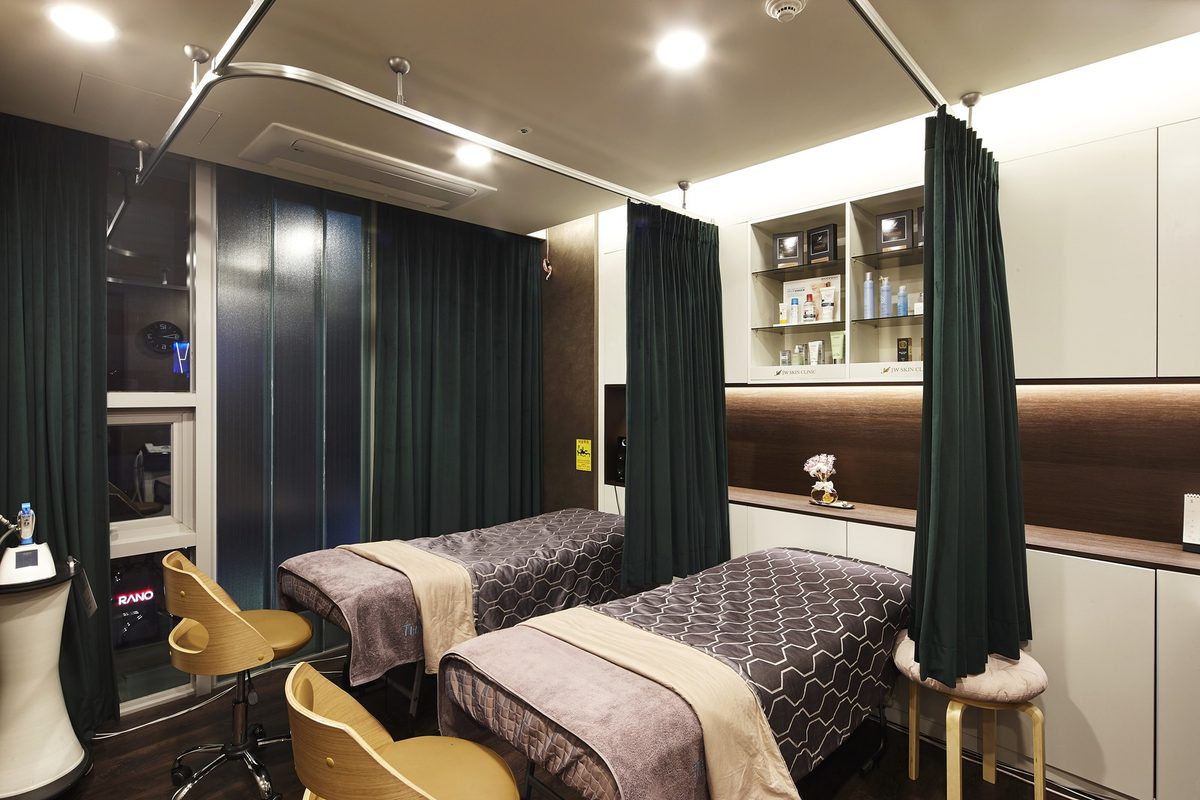
JW Plastic Surgery in Sinsa runs this pipeline routinely for revision patients from abroad: records review and remote consultation first, surgery-and-stay scheduling matched to the operation, and structured photo follow-up after the flight home, with interpreter support throughout. Revision across borders is a logistics problem with a known solution.