Implant success rates run high, but no honest clinic calls them 100 percent. Understanding why the small share fails, and how systematically a failed implant can be redone, turns a frightening topic into a manageable one. Seoul Top Dental Hospital in Seocho explains both halves.
Early failure: the bone never grips
Failures within the first months mean osseointegration did not happen: the bone never locked onto the fixture. Causes cluster around insufficient initial stability, infection at the surgical site, premature loading (chewing hard on a fixture that needed quiet), overheated bone during drilling, and healing-phase smoking, which quietly multiplies risk. The sign is a loose or painful fixture before the final crown ever arrives. The response is removal, cleaning, and healing time; it is a setback measured in months, not a verdict.
Late failure: peri-implantitis and overload
Implants that served for years usually fail through peri-implantitis (gum inflammation advancing into bone loss around the fixture, the implant’s version of periodontitis) or through chronic overload from clenching, grinding or a bite that concentrates force. Warning signs are quiet: bleeding gums around the implant, deepening pockets, swelling, a crown that starts to move. Caught early, inflammation can be treated and bone preserved; caught late, the fixture loosens in melted bone. This is why annual implant check-ups are not ceremonial.
Re-implantation: how the redo actually runs
A failed implant is removed, often more gently than patients imagine, and the site is assessed. If bone is sound, a new fixture can sometimes be placed early; more commonly the socket heals two to four months, frequently with bone grafting to rebuild lost volume, before re-implantation. The second attempt is planned against the first failure’s cause: better stability protocol, infection control, bite adjustment or a bruxism guard. Redo cases succeed at high rates when the original cause is identified and corrected. Diagnosis, not luck, is the variable.
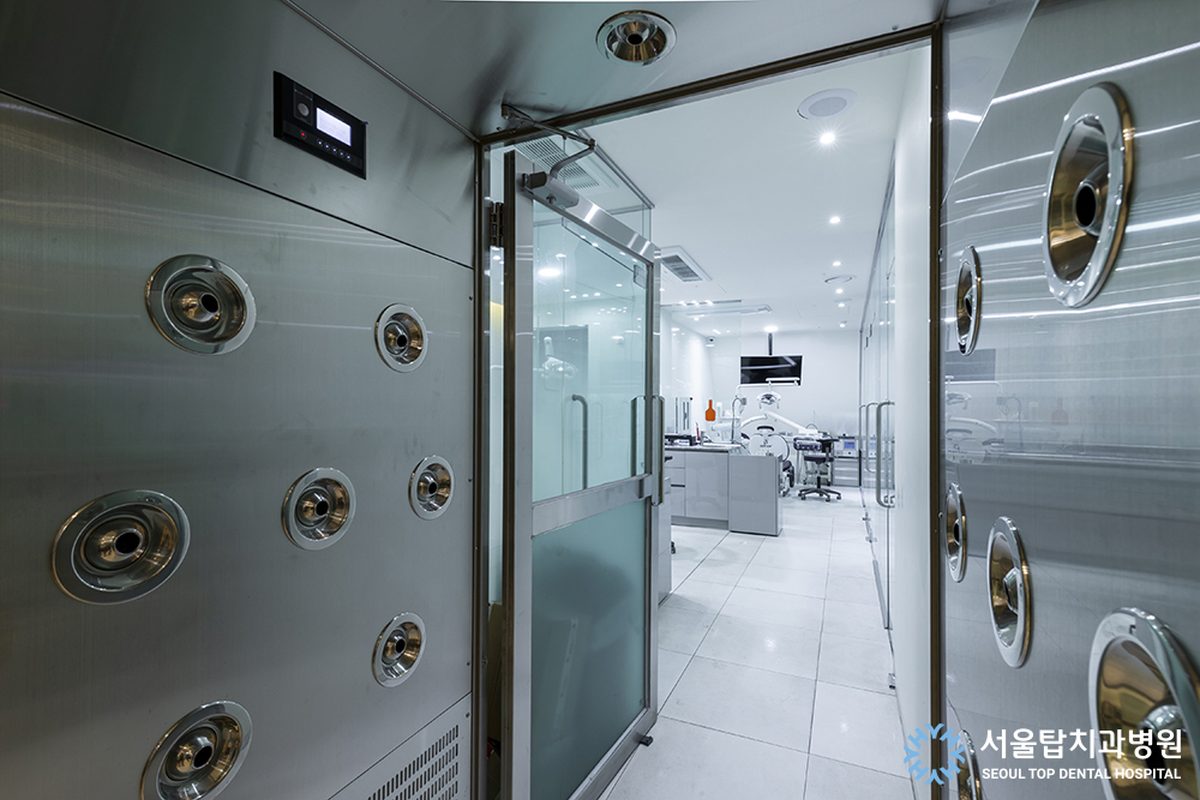
Seoul Top Dental Hospital in Seocho handles failing implants with cause-analysis first (CT review, bite assessment, gum status) and schedules re-implantation on a bone-first timeline, coordinating remotely with international patients between stages. A failed implant is a problem with a protocol, not an ending.