Booster menus have grown long enough to paralyze: HA, PN, PCL, PDLLA and exosomes, each with devoted fans online. The escape from paralysis is complaint-first thinking: name the problem precisely, and the product family mostly chooses itself. GLOW Dermatology in Cheongdam shares the decision path it uses in its own consultation rooms.
Step one: name the complaint precisely
“Bad skin” is not a diagnosis. Separate: Is it dry and dull (hydration problem)? Reactive, thin, always irritated, scarred from acne (repair problem)? Loose, crepey, lost its bounce (structure problem)? Pores and uneven grain (texture problem)? Most faces have two, but one leads. The leading complaint picks the leading product; the second complaint schedules the follow-up.
Step two: map complaint to family
A hydration problem points to HA skinboosters: fast, pleasant, shortest-lived. A repair problem points to PN (Rejuran), which calms and rebuilds damaged, reactive skin. A structure problem points to PCL (Gouri), which switches collagen production on across the face. Texture and pores point to the PDLLA hybrid (Juvelook), which refines the surface over a series. For recovery and calming around other procedures, exosomes are the supporting layer. The budget rule: fund the leading complaint first.
Step three: sequence, do not stack
The classic mistake is booking everything at once. Skin responds better to sequence: stabilize first (PN if skin is reactive), build second (PCL for structure), polish third (HA glow or Juvelook texture), and keep exosomes paired with energy treatments. A typical year might hold two product families, not five. The exact order comes from a skin assessment; this guide just makes the consultation shorter.
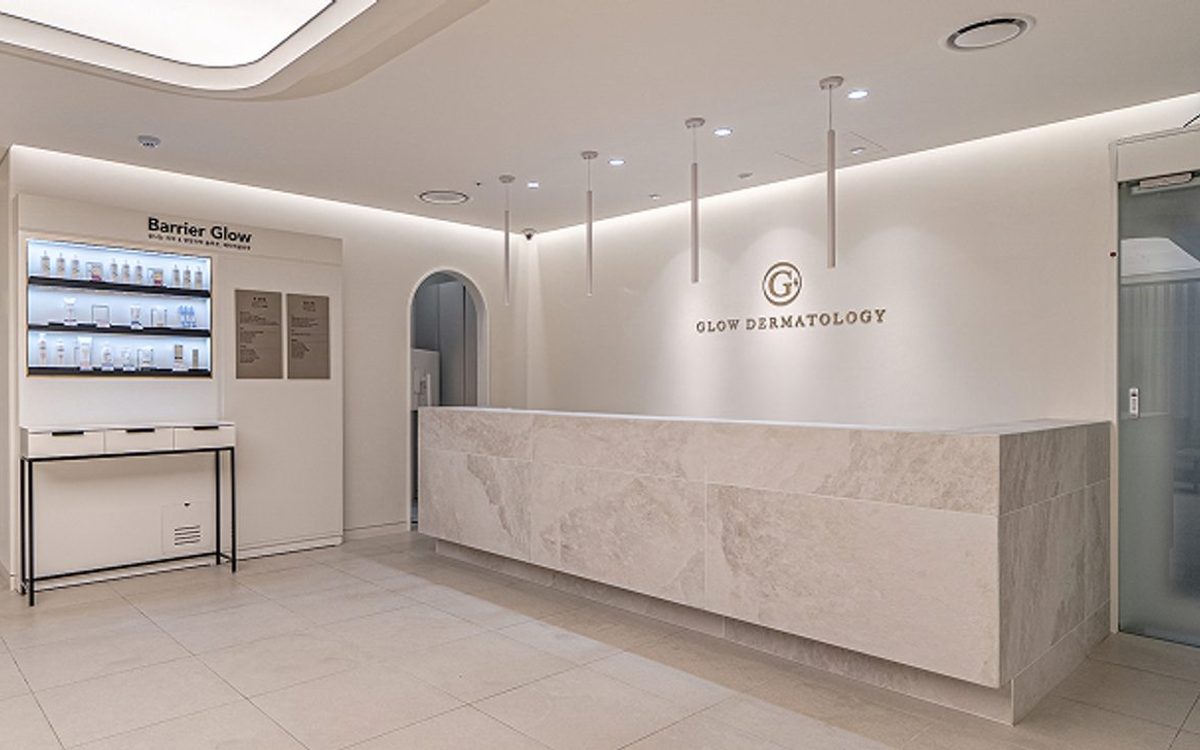
GLOW Dermatology in Cheongdam runs all major booster families and prescribes by complaint and examination, with international consultation available. Arrive with your complaints ranked first and second; you should leave with a sequence rather than a shopping list.