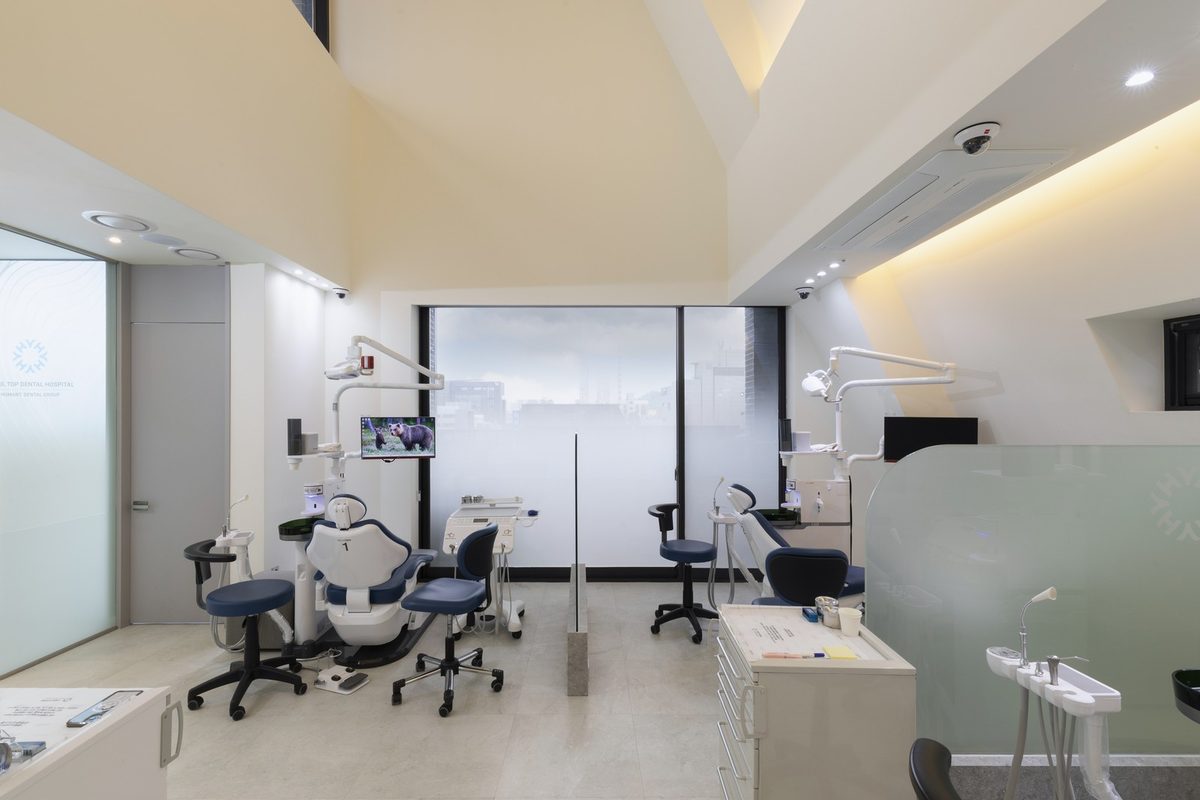
For a single missing tooth, two restorations compete: a bridge, which spans the gap using neighboring teeth, and an implant, which stands alone on its own root. Each wins on different dimensions, and the right answer depends on the neighbors, the bone and your timeline. Seoul Top Dental Hospital in Seocho compares them without salesmanship.
What each one asks of your mouth
A bridge requires grinding down the two neighboring teeth to serve as pillars, a permanent cost paid by teeth that may be perfectly healthy. An implant asks for surgery and months of healing instead, leaving neighbors untouched. The state of those neighbors often decides the case alone: already-crowned neighbors favor a bridge; virgin healthy neighbors argue loudly for an implant.
Longevity, bone and the long game
Implants preserve jawbone through chewing stimulation; under a bridge, the gap’s bone slowly resorbs, which can hollow the area cosmetically over years. Longevity data favors implants: 10-year survival above 95% in published studies, while bridges average shorter lifespans, often cited around 10 to 15 years, with their pillar teeth vulnerable to decay at the margins. Cleaning differs too: floss threaders under bridges versus near-normal brushing for implants.
When the bridge is still the right answer
Bridges finish in weeks, involve no surgery, and cost less upfront, which are decisive advantages for patients who cannot undergo surgery, have uncontrolled conditions, lack bone they do not wish to graft, or need a fast result. In those situations a well-made bridge is excellent dentistry, not a compromise. The decision deserves a CT and an honest conversation, not a default.

Seoul Top Dental Hospital evaluates single-tooth cases with CT and presents both options with their real trade-offs, scheduling compressed implant plans for international patients. Ask one question at consultation: “What does each option cost my neighboring teeth?” The answer usually decides.