Lifting Treatments at a Hongdae Skin Clinic: Why Your Skin Condition Matters More Than the Device Name
When the jawline begins to look less defined or the cheeks and corners of the mouth appear to have shifted downward, many people start searching for lifting treatments. Some notice that their face looks wider in photographs, while others feel that makeup no longer conceals a tired or heavy appearance as effectively as before.
This often leads them to search for a Hongdae skin clinic that offers non-surgical lifting procedures.
However, choosing a lifting treatment can quickly become confusing. There are many different devices and treatment names, including Ultherapy PRIME, Tune Face, and Titanium Lifting. Without a medical assessment, it can be difficult to determine which option may be suitable for a particular face.
A well-known device, a higher energy level, or a larger number of treatment shots does not automatically lead to the same outcome for every patient.
Facial sagging can develop for several different reasons. The skin may have lost elasticity, the position of facial fat may have changed, or the deeper structures supporting the face may have become less firm. In some cases, the face may only appear to be sagging because volume loss has created deeper shadows around the cheeks or nasolabial folds.
For this reason, lifting treatment should begin with an evaluation of the skin thickness, facial fat distribution, skeletal structure, degree of laxity, and the specific areas causing concern.
Located near Hongik University Station, Kate Clinic provides customized lifting consultations using treatments such as Ultherapy PRIME, Tune Face, and Titanium Lifting. Depending on the patient’s facial structure and skin condition, these procedures may be considered individually or as part of a combined treatment plan.
Facial Sagging Does Not Occur at the Same Depth in Every Area
During a lifting consultation, it is not enough to simply determine whether the face looks saggy. It is important to identify which areas have changed and which tissue layers may be involved.
For example, the following concerns may look similar but require different treatment approaches:
- A blurred jawline or more noticeable double chin
- Heaviness in the lower cheeks or around the corners of the mouth
- Thin skin accompanied by fine lines and reduced elasticity
- Deeper shadows under the cheekbones or around the nasolabial folds
- Loose skin in a face with relatively little facial fat
- A desire for a more refined facial appearance before an important event
Even when two patients are both concerned about their jawlines, the underlying causes may be different. A patient with thicker facial tissue may not require the same approach as someone with thin skin and limited facial volume.
When strong energy is applied indiscriminately to a face with little fat, unintended volume reduction may become more noticeable. In contrast, superficial treatment alone may not be sufficient when the tissue is thick or the laxity involves deeper supporting layers.
Kate Clinic’s customized lifting approach focuses on selecting the treatment depth, device, and target area according to each patient’s facial structure rather than applying the same protocol to everyone.
Ultherapy PRIME: Ultrasound-Based Lifting with Real-Time Imaging
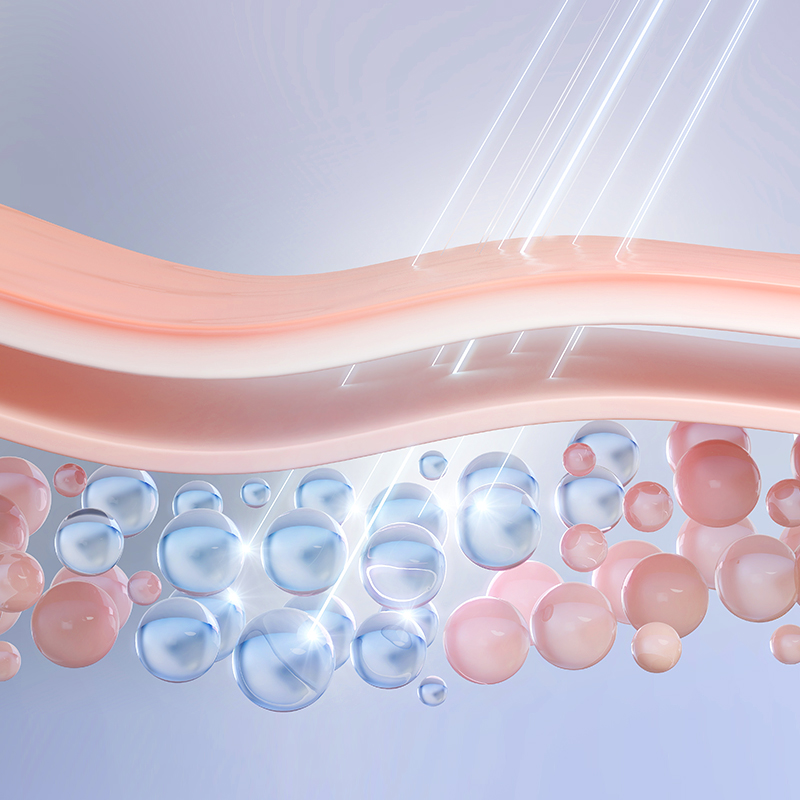
Ultherapy PRIME is a non-invasive lifting device that uses microfocused ultrasound energy. One of its distinguishing features is real-time ultrasound imaging, which allows the practitioner to view the skin and subcutaneous tissue while planning energy delivery.
This treatment may be considered when the main concerns include a less defined jawline, lower cheek sagging, or laxity involving relatively deeper tissue layers.
However, the required number of shots and the appropriate treatment depth may vary from one patient to another. Areas with thin skin should not necessarily receive the same settings as areas with thicker tissue.
The patient’s facial contours, tissue thickness, fat distribution, and treatment goals should therefore be considered when determining the application depth and energy level.
After treatment, temporary redness, swelling, tenderness, numbness, sensitivity, or a tight sensation may occur. The recovery process and degree of visible change can vary according to the individual.
Tune Face: Considering Skin Elasticity and Tightening Together
Tune Face uses radiofrequency energy to deliver controlled heat to the skin tissue. It may be considered when the skin feels less firm overall or when the patient is concerned about general laxity and reduced elasticity.
The treatment may be discussed in cases involving concerns such as:
- Skin that feels thinner or less resilient than before
- Mild laxity around the cheeks and mouth
- A desire to improve overall skin firmness
- Concerns involving both the jawline and skin texture
- A need to combine radiofrequency treatment with ultrasound-based lifting
The purpose of radiofrequency lifting is not simply to use the highest possible temperature or energy level. The treatment should be adjusted according to skin thickness, sensitivity, facial fat, and the area being treated.
Careful energy control is also important to avoid repeatedly applying excessive heat to the same location.
Patients may experience warmth during the procedure. Temporary redness, swelling, heat, dryness, or sensitivity may occur afterward. In uncommon cases, burns or pigmentary changes may develop, making an appropriate medical evaluation and careful treatment planning important.
Titanium Lifting: An Option for Patients Concerned About Downtime
Titanium Lifting uses laser-based energy to support skin tightening and improve the overall appearance of the skin. At Kate Clinic, it may be performed on its own or considered in combination with other energy-based treatments, such as Tune Face.
It may be discussed with patients who want to refine their facial contours while minimizing disruption to their daily routine. It may also be considered when a patient wants to address both superficial skin laxity and a dull or tired-looking complexion.
However, Titanium Lifting should not be performed using an identical protocol for every patient.
Patients with sensitive skin, a tendency to develop pigmentation, recent laser treatment, or certain medication histories should provide this information during their consultation.
Temporary warmth, redness, swelling, or tingling may occur after the procedure. The recommended treatment interval and aftercare instructions may vary according to the patient’s skin response.
Customized Lifting When One Device Is Not Enough
Facial aging does not occur within only one skin layer. Deeper tissue laxity may occur together with reduced skin elasticity, while jawline heaviness may appear alongside changes in skin texture.
In such cases, it may be helpful to consider the different functions of each energy-based device rather than expecting one procedure to address every concern.
| Main Concern | Treatment Direction That May Be Considered |
|---|---|
| Jawline and submental laxity | A deeper ultrasound-based approach such as Ultherapy PRIME |
| Reduced skin elasticity and fine lines | Radiofrequency tightening such as Tune Face |
| Superficial laxity and overall facial refinement | Titanium Lifting |
| Both deeper sagging and reduced skin firmness | A customized combination of ultrasound and radiofrequency or laser treatment |
| An appearance of sagging caused by volume loss | Evaluation of treatment options other than energy-based lifting alone |
The purpose of a combination treatment is not to use as many devices as possible.
A customized treatment plan should focus on applying the appropriate type of energy only where it is needed, while minimizing unnecessary stimulation and preserving the natural balance of the face.
Kate Clinic explains that consultations and procedures are personally performed by the clinic’s lead physician. The device, treatment area, energy level, and procedure sequence are selected after reviewing the patient’s facial shape and skin condition.
What Should Be Checked Before Receiving a Lifting Treatment?
When searching for a lifting treatment at a Hongdae skin clinic, it is advisable to consider more than the price or name of the device.
First, the consultation should include an explanation of why the face appears to be sagging.
Second, the treatment plan should reflect the patient’s skin thickness, facial fat, and the differences between each treatment area.
Third, patients should be cautious when high energy levels or an excessive number of shots are recommended without a detailed facial assessment.
Fourth, the consultation should include not only the expected benefits but also possible discomfort, side effects, and recovery-related information.
Fifth, the clinic should provide appropriate post-treatment guidance based on the patient’s skin condition and the procedure performed.
A lifting treatment is not simply a process of pulling every part of the face upward.
A natural-looking result requires careful distinction between areas that may benefit from tightening and areas where facial volume should be preserved. Rather than following a trending treatment without evaluation, it is important to identify an approach that suits the patient’s current facial condition.
Frequently Asked Questions
Do Ultherapy and Tune Face Always Need to Be Performed Together?
No. Combination treatment is not required for every patient.
Ultherapy PRIME may be considered when deeper tissue laxity is the main concern, while Tune Face may be more suitable when reduced skin firmness or superficial laxity is more noticeable.
A combination approach may be discussed when multiple concerns are present at the same time.
Will My Face Look Different Immediately After Treatment?
Some patients may notice a temporarily tighter or more refined appearance shortly after treatment. However, the timing and degree of visible change vary according to the procedure and the patient’s skin condition.
With some energy-based treatments, gradual changes may become more noticeable as the tissue responds and recovers over time.
Can Someone with Very Little Facial Fat Receive a Lifting Treatment?
Suitability should be determined through a medical consultation.
Patients with limited facial volume require careful selection of the treatment area, device, and energy level. The treatment plan should be designed to avoid unnecessary reduction of facial volume.
Can I Return to My Daily Routine Immediately?
Non-surgical energy-based lifting treatments generally involve relatively limited downtime. However, temporary redness, swelling, warmth, tenderness, or sensitivity may occur.
The recovery period varies depending on the treatment method and the individual skin response.
Considering Lifting Treatments in Hongdae
The most important part of choosing a lifting treatment is not selecting the most popular device.
It is identifying which area of the face requires treatment, which tissue layer is involved, and how the procedure can be performed while maintaining natural facial proportions.
Kate Clinic offers customized lifting consultations using Ultherapy PRIME, Tune Face, and Titanium Lifting. Treatment planning takes into account skin thickness, elasticity, facial fat, facial contours, and the degree of laxity.
Rather than deciding on a procedure before the consultation, patients may benefit from having their facial condition assessed first and then discussing the most appropriate treatment direction.
Treatment effects, duration, discomfort, recovery, and possible side effects may vary from person to person. The final treatment method should be determined after an in-person consultation and medical examination.
Kate Clinic
Address: 7F, 148 Yanghwa-ro, Mapo-gu, Seoul
Location: Approximately 50 meters from Exit 9 of Hongik University Station
Telephone: 02-6952-1234
Weekday Hours: 11:00 AM–8:30 PM
Lunch Break: 1:30 PM–2:30 PM
Saturday Hours: 10:00 AM–4:30 PM without a lunch break
#HongdaeSkinClinic #HongdaeLifting #HongikUniversityStationClinic #KateClinic #CustomizedLifting #UltherapyPrime #Ultherapy #TuneFace #TitaniumLifting #HongdaeBeautyClinic