“I had a tooth pulled. When can I get the implant?” is one of the most searched implant questions, and the honest answer is: it depends on what the socket looks like. Modern implantology defines four timing windows, each with its logic. Seoul Top Dental Hospital in Seocho explains how the right window is chosen for each case.
The four windows explained
Type 1, immediate: fixture placed in the fresh socket on extraction day. Type 2, early at 4 to 8 weeks: gums have closed over the site, infection has cleared, bone healing is beginning. Type 3, at 3 to 4 months: substantial bone fill allows placement with good stability. Type 4, fully healed at 6+ months: the conservative route for complicated sockets. Earlier windows save time; later windows buy certainty.
What pushes the decision later
Active infection at the extracted tooth, destroyed socket walls, thin sinus floor above molars and heavy smoking all favor waiting, sometimes with socket preservation grafting on extraction day to limit bone loss during the wait. What should not drive delay is simple neglect: waiting years allows resorption that later demands grafting that earlier placement would have avoided.
The planning trick: decide before extraction
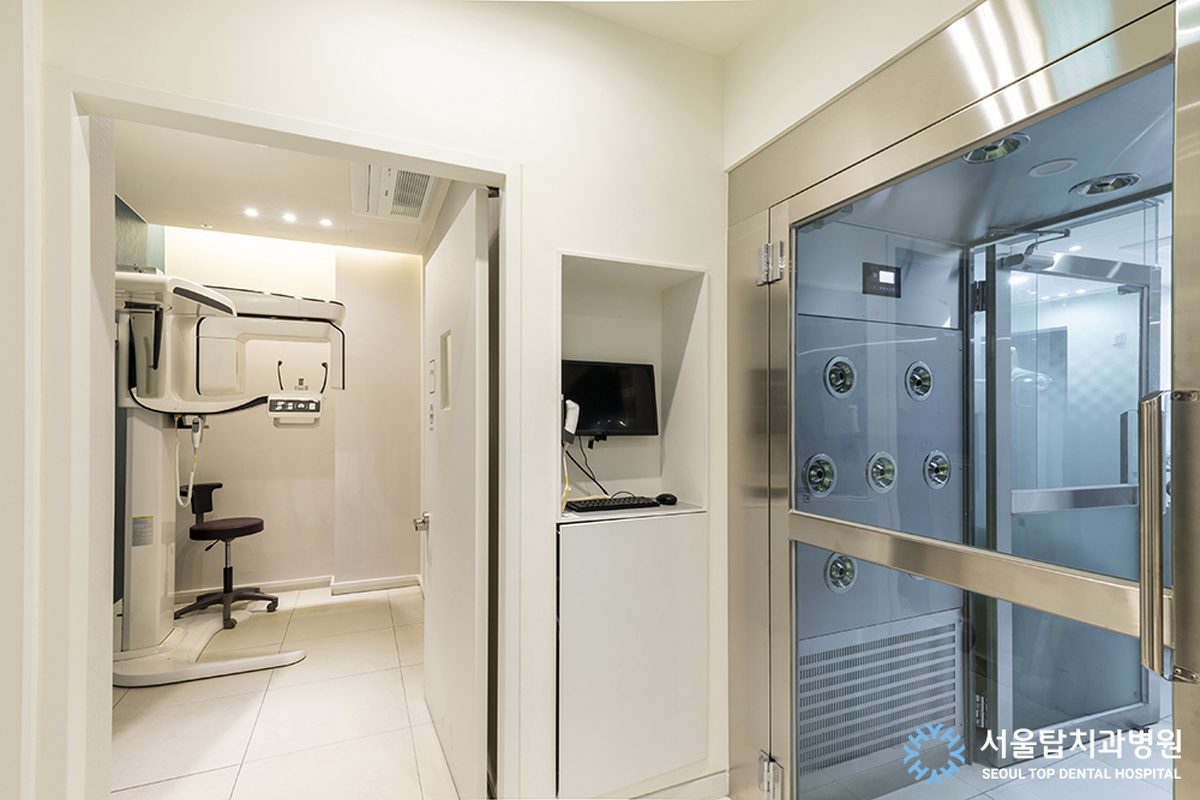
The best timing decisions are made before the tooth comes out. A CT taken pre-extraction lets the surgeon plan extraction technique (bone-preserving), decide on same-day grafting and often book the implant window in advance. Patients who extract first elsewhere and consult later lose exactly this optionality, so if you still have the tooth, consult before removing it.
Seoul Top Dental Hospital evaluates extraction sites by CT and assigns the earliest safe window for each case, with compressed schedules for international patients. If your extraction is still ahead, bring the tooth question and the implant question to the same consultation.