Patients comparing lifting options in Seoul most often shortlist two names: Titanium and Ulthera. They are not competitors so much as colleagues working different floors of the same building. Kate Clinic in Mapo, which operates both, explains the comparison that actually matters: which layer does your face need treated?
Mechanism: broad laser heat vs focused ultrasound points
Titanium fires three diode wavelengths (755/810/1064nm) that heat the skin and superficial layers broadly as the handpiece glides, tightening skin, brightening tone and refining pores. Ulthera focuses ultrasound into pinpoint 60 to 70°C coagulation zones at 1.5 to 4.5mm, reaching the SMAS fascia that surgeons tighten in facelifts. Breadth versus depth is the core distinction.
Experience and results timeline
Titanium: warm, massage-like sessions of 20 to 30 minutes, no anesthesia needed for most, visible freshness often within days, repeated every 3 to 6 months. Ulthera: deeper heat sensation managed with numbing, one session commonly per year, results building for 2 to 3 months as collagen remodels the foundation. Titanium rewards consistency; Ulthera rewards patience.

Choosing, and the combination logic
Thin skin, dullness, pores and early laxity point to Titanium. Jowls, sagging cheeks and brow descent with decent skin thickness point to Ulthera. Many faces in the 40s and 50s genuinely need both layers addressed, which is why clinics sequence them, commonly Ulthera for structure, then Titanium weeks later for surface quality. The sequence is prescribed by examination, not by package pricing.
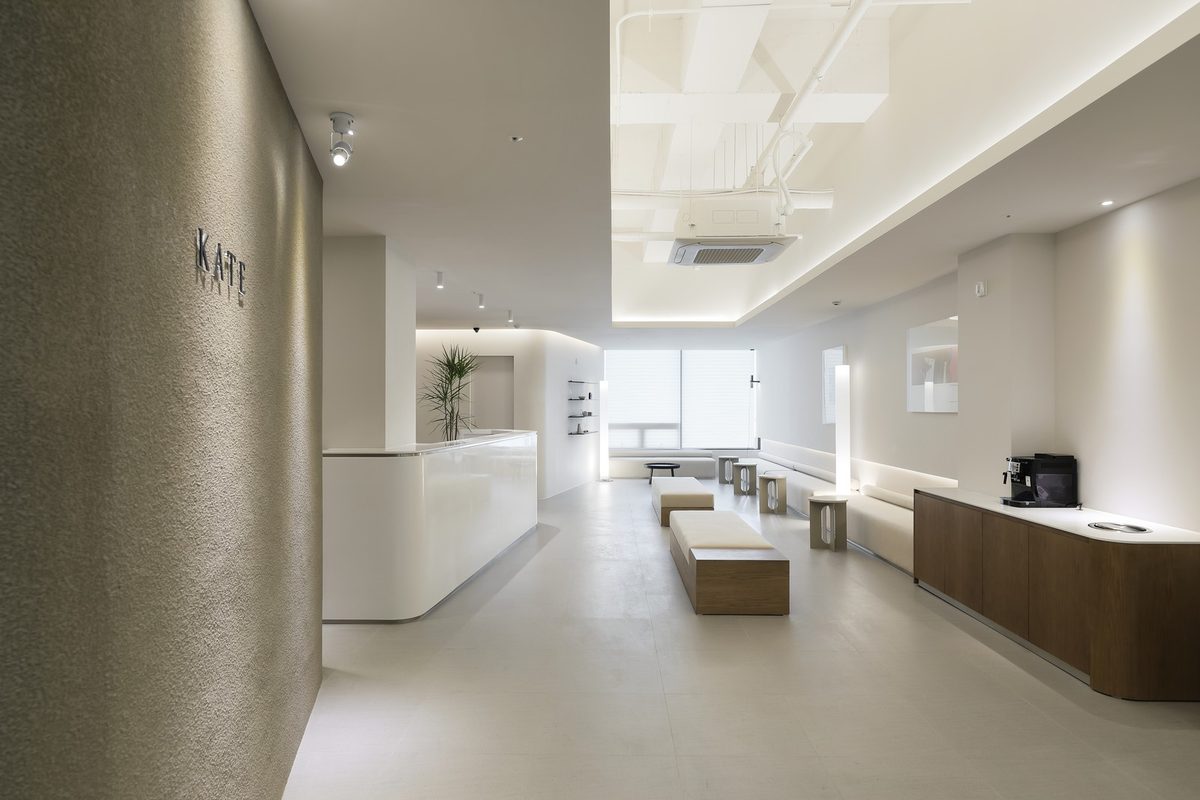
Kate Clinic in Mapo examines skin thickness and sagging pattern before recommending Titanium, Ulthera, Prime, Tune Face or a sequence, and consults international patients. Ask for the layer-based explanation at your consultation; it makes the choice obvious.